

Dec
Share
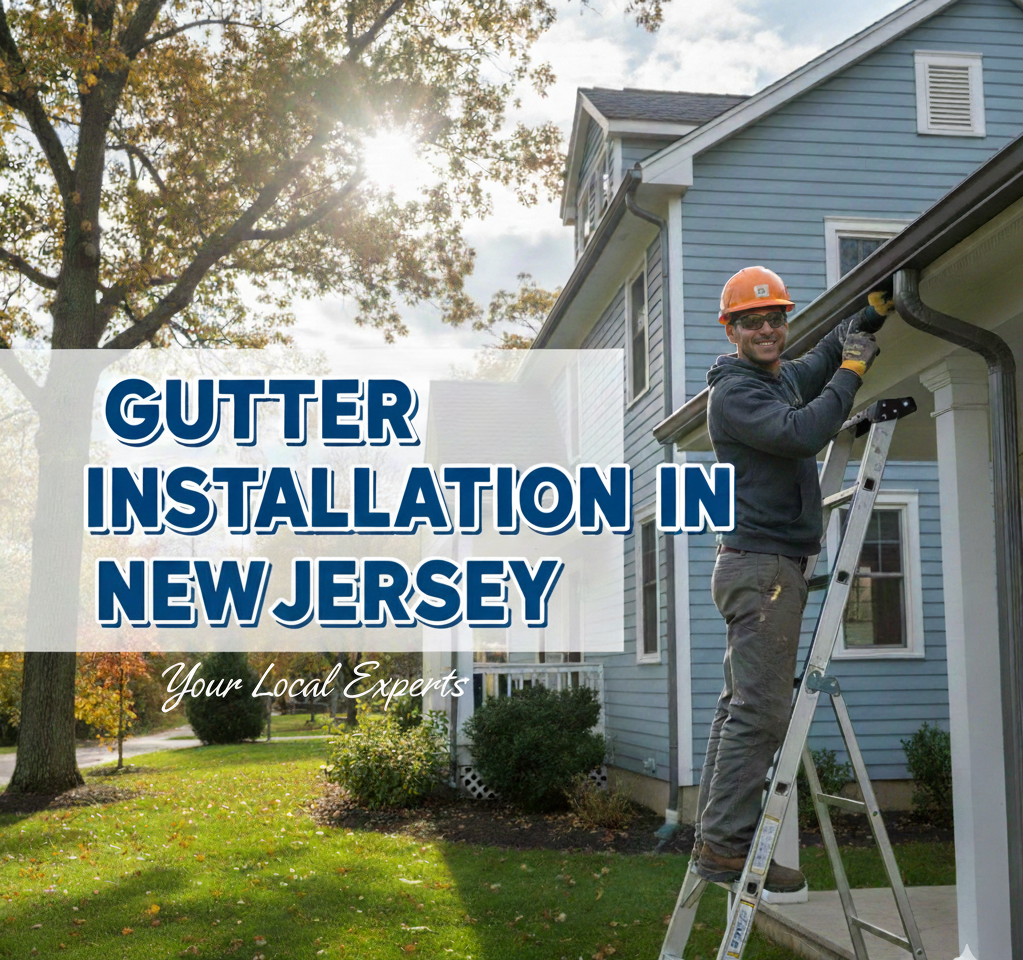
Comments Off on Gutter Installation in Monmouth County or Ocean County, NJ: Your Expert Guide & Service Uncategorized
Gutter Installation in Monmouth County or Ocean County, NJ: Your Expert Guide & Service
I. Introduction: More Than Just a Pretty Face (Or, Why Your Gutters Matter More Than You Think!)
Key Takeaways for New Jersey Homeowners
- Gutters are Your Home’s First Defense: In coastal New Jersey (Monmouth & Ocean Counties), a robust gutter system is essential for preventing costly structural damage, foundation cracks, basement flooding, and mold caused by heavy coastal precipitation and corrosive salt air.
- Seamless is King: For modern Jersey Shore homes, custom-fabricated seamless aluminum K-Style gutters are the preferred choice, minimizing leaks and offering superior capacity for heavy rain.
- Gutter Maintenance is Crucial: Clogs are the number one cause of gutter failure, leading to overflows and water damage. Regular professional gutter service and the use of leaf guards are highly recommended to prevent these issues.
- Know When to Repair vs. Replace: Minor damage or small leaks may call for simple gutter repairs, but extensive sagging, corrosion, or repeated failures indicate the need for a full gutter replacement.
- Choose Professionals Wisely: For installation, repair, or replacement, always hire licensed, insured, and reputable roofing contractors or gutter specialists to avoid the pitfalls of shoddy workmanship and ensure your warranty is valid.
- Look to the Future: Innovations like smart gutters, advanced micro-mesh guards, and durable, high-strength materials promise enhanced performance and reduced maintenance for your drainage system.
Ah, the Jersey Shore. The salty air, the rhythmic crashing of waves, the…relentless onslaught of weather. While we bask in the summer sun, let’s not forget the reality: heavy rains, blizzards that rival the Rockies, and a coastal atmosphere that can corrode just about anything. In this relentless environment, a silent guardian stands watch over your home, often unnoticed until disaster strikes: the humble gutter. For homeowners in Monmouth and Ocean Counties, a robust gutter system isn’t a luxury; it’s an absolute necessity.
This isn’t just about channeling water away from your house. It’s about preserving your investment, protecting your family’s well-being, and maintaining the aesthetic appeal of your property. We’ll embark on a journey through the history of gutters, explore the diverse types and materials available, dissect common pitfalls that plague Jersey Shore homes, and even peek into the future of gutter technology. If your current system is failing, learning about proper gutter replacement can save you thousands in future foundation and siding damage. Buckle up, because this is more than just a drainage discussion; it’s a defense strategy for your most valuable asset.
II. A Walk Down the Drainage Lane: A Gutter’s History in New Jersey
Let’s journey back in time to the early days of New Jersey settlements. Imagine colonial homes, proudly standing against the elements, but lacking the sophisticated drainage systems we take for granted today. Early gutters were often rudimentary – simple V-shaped troughs carved from wood. Some, in a testament to early ingenuity (or perhaps a lack of options), were even lined with lead. Cast iron eventually entered the scene, offering a more durable alternative.
And then, there’s the “Yankee Gutter.” A distinctly regional design, cleverly integrated into the architecture of the house itself. These built-in gutters, often seen on historic Victorian, Greek Revival, and Dutch Colonial homes, showcase a seamless blend of form and function.
The Industrial Revolution marked a turning point. Mass production and metal rolling machines paved the way for half-round steel gutters, bringing a degree of standardization and affordability to the market. However, the real revolution came in the mid-20th century with the invention of roll-forming machines. Suddenly, seamless aluminum gutters became a reality. Custom-fit, leak-resistant, and rapidly installed, these gutters transformed the industry, becoming the workhorse systems we rely on today, often managed by specialized gutter service companies.
III. Your Home’s Best Defense: Why Gutters Are Non-Negotiable in NJ
Living on the Jersey Shore means living in a perpetual battle against the elements. Our coastal climate, with its unique combination of heavy precipitation, corrosive salt air, and icy winters, demands a robust gutter system.
Think of your gutters as the shield protecting your castle. Pooling water around your foundation is a recipe for disaster, leading to costly structural damage. Gutters safeguard your siding, fascia, and paint, preventing unsightly water stains and, more importantly, stopping interior leaks that can breed mold and mildew. A well-maintained gutter system extends the life of your roof by preventing water from accumulating and causing rot; a fact well understood by local roofing contractors.
It’s also a basement savior, significantly reducing the risk of flooding during those torrential downpours. Don’t forget the landscape! Gutters prevent soil erosion, protecting your carefully cultivated gardens and preventing your yard from turning into a muddy mess.
Beyond the practical benefits, consider the aesthetic value. Sleek, custom-fit gutters can enhance your home’s curb appeal, adding a touch of sophistication and increasing its overall market value. And let’s not overlook the bonus benefits: keeping pests away from your foundation and preventing those destructive ice dams that often require professional gutter repairs to fix the resulting damage.
IV. Choosing Your Weapon: Gutter Types & Materials for the Modern Jersey Homeowner

In the world of gutters, seamless is king, particularly in our neck of the woods. Custom-made, on-site fabricated seamless gutters minimize leaks, offering a clean, streamlined look that elevates your home’s aesthetics.
Now, let’s delve into the style wars: K-Style vs. Half-Round. K-style gutters, with their crown molding-like appearance, are the reigning champions for modern homes. Their high water capacity makes them well-suited for handling the heavy rainfall we often experience. Half-round gutters, on the other hand, offer a classic, elegant look that complements older or historic properties. Their smooth, rounded shape also makes them less prone to debris buildup.
The material you choose for your gutters is crucial. Aluminum is the undisputed local favorite, prized for its lightweight nature, rust resistance, affordability, and availability in a wide array of colors. However, it’s worth noting that aluminum is susceptible to denting. Copper exudes luxury, boasting incredible durability (often lasting 50-100+ years), a beautiful patina that develops over time, and unparalleled resistance to the corrosive effects of salt air. Of course, this premium performance comes with a premium price tag, making a gutter replacement an investment.
For those seeking a heavy-duty option capable of withstanding brutal weather and heavy snow loads, steel (galvanized or stainless) is worth considering. However, galvanized steel can rust over time, so stainless steel is the superior (though more expensive) choice. Vinyl, while budget-friendly and easy to install for DIY enthusiasts, is generally not recommended for New Jersey’s temperature extremes, as it can become brittle and crack during the winter. Finally, we have durable Zinc and modern Fiberglass options.
Let’s not forget the “extras”: gutter guards. In our leafy counties, leaf protection systems are a wise investment, preventing clogs and ensuring optimal water flow.
V. The Gutter Minefield: Common Headaches & Contractor Caution Tales
Clogs are the arch-nemesis of every gutter system, particularly in our tree-lined communities. Debris buildup leads to overflows, which can cause foundation cracks, water damage, and even mold growth. If clogs are left unchecked, minor issues can quickly escalate, requiring emergency gutter repairs.
Choosing the wrong materials can also lead to problems. Opting for cheap vinyl gutters can result in cracking and sagging under the weight of snow and ice. Galvanized steel’s vulnerability to rust makes it a less-than-ideal choice for coastal homes constantly exposed to salt air. Humid summers, icy winters, and corrosive salt air each present unique challenges that demand careful consideration when selecting gutter materials. This is where professional gutter service is essential.
While DIY projects can be tempting, attempting a gutter installation or complex gutter repairs without the necessary expertise can backfire spectacularly. Improper drainage can lead to serious home damage, making professional installation a worthwhile investment. Furthermore, if the damage extends to your roof line, you’ll need the expertise of qualified roofing contractors.
And now, a serious warning about the “Contractor Conundrum.” Unfortunately, unscrupulous contractors exist in Monmouth and Ocean Counties, preying on unsuspecting homeowners. The New Jersey Division of Consumer Affairs has cited numerous cases of shoddy workmanship, abandoned projects, and even misuse of funds. To protect yourself, always choose licensed, insured, and reputable roofing and gutter professionals for all your home exterior needs. Obtain written contracts that clearly outline the scope of work, materials used, and payment terms, and look for strong warranties that provide peace of mind for your new system.
VI. Looking Ahead: The Future is Flowing (Smarter, Stronger, Greener Gutters!)
The future of gutters is one of innovation, sustainability, and enhanced performance. Smart gutter systems are on the horizon, equipped with sensors that alert your smartphone about clogs, leaks, or ice buildup, making routine gutter service more proactive. Automated cleaning systems and heated gutters are also becoming a reality, promising even greater convenience and efficiency.
Next-generation gutter guards, featuring advanced micro-mesh and self-cleaning designs, will further reduce maintenance requirements. Expect to see even more durable, low-maintenance, high-strength alloys and advanced coatings designed to withstand New Jersey’s harsh elements. Furthermore, there’s a growing emphasis on sustainable and recyclable materials.
Eco-friendly solutions are also gaining traction, with rainwater harvesting systems integrated with gutters allowing homeowners to collect water for gardening, reduce their water bills, and contribute to environmental conservation. And of course, future installations will continue to adhere to strict New Jersey building codes, ensuring proper drainage and safety.
VII. Your Gutter Game Plan: What to Do Next for a Protected Home
Now that you’re armed with knowledge, it’s time to take action. Start by assessing your needs. Do you require simple gutter repairs, or is it time for a full-scale gutter replacement? Consider your home’s style, the local weather patterns, and your budget. Prioritize reputable, licensed, and insured roofing contractors or gutter specialists with solid reviews and clear communication. Remember, regular cleaning and inspections are your home’s best defense against gutter-related problems. Finally, don’t wait for trouble to strike. If you notice sagging, leaks, or overflows, call a professional gutter service provider fast to prevent bigger headaches down the road. A well-maintained gutter system is an investment in your home’s future, ensuring its beauty, structural integrity, and your peace of mind for years to come.
Ready to secure your home with a proven defense system? Contact Proven Contracting today. Our experts specialize in seamless gutter installations, comprehensive gutter repairs, and total gutter replacement for Monmouth and Ocean County homes. Get started with a free, no-obligation gutter service estimate by visiting their website or reach out directly via their contact page. A well-maintained gutter system is an investment in your home’s future, ensuring its beauty, structural integrity, and your peace of mind for years to come.
FAQs: Gutter Installation & Maintenance in Central Jersey
How much is the average cost of new gutter installation in Central Jersey?
The average cost of new gutter installation in Central Jersey for a standard home typically ranges between $1,200 and $2,500 for aluminum seamless systems. Pricing varies by material, with aluminum averaging $6 to $12 per linear foot and copper ranging from $25 to $40+ per linear foot. Final cost depends on total linear footage, roofline complexity, proper gutter slope requirements, downspout placement, and optional upgrades like gutter guards. Always request a detailed estimate from experienced Monmouth County gutter installers.
Can I install gutters myself or should I hire a professional?
DIY gutter installation can work for small, single-story homes with simple rooflines, but professional installation is strongly recommended for most Central Jersey homes. Professionals ensure proper gutter slope, secure hanger spacing, correct downspout placement, and safe ladder and roof handling. DIY installations often fail due to improper pitch, loose hangers, or poor sealing, which can lead to leaks, fascia damage, and foundation issues.
What tools are required for DIY gutter installation?
DIY gutter installation typically requires a ladder, drill, level, measuring tape, chalk line, tin snips or a saw, sealant, gutter hangers, and safety equipment. Seamless gutter installation cannot be done DIY since gutters are custom-formed on-site, which is why seamless systems always require professional installation.
What is the proper slope for gutter installation?
The proper gutter slope is about 1 quarter inch for every 10 feet of gutter run. This slight pitch allows water to flow efficiently toward the downspouts without pooling. Improper slope is one of the most common gutter installation mistakes and a leading cause of standing water, overflow, and premature system failure.
What are the most common gutter installation mistakes homeowners make?
Common gutter installation mistakes include improper slope, incorrect hanger spacing, undersized downspouts, poor sealing at joints, and gutters installed too high or too low along the roof edge. These errors often result in water overshooting the gutter, leaks at seams, ice buildup in winter, and damage to fascia boards and siding.
What is the best gutter material for NJ coastal weather?
Copper is widely considered the best gutter material for NJ coastal weather because it resists salt air corrosion, does not rust, and can last 50 to 100+ years. Aluminum is a strong secondary choice due to its affordability and rust resistance. Vinyl gutters tend to crack in cold weather, and galvanized steel is generally not recommended for coastal Central Jersey conditions.
What are the pros and cons of seamless gutters vs traditional gutters?
Seamless gutters are custom-cut on-site, which minimizes joints and significantly reduces the risk of leaks. They require less maintenance and have a longer lifespan, but they cost more upfront and require professional installation. Traditional sectional gutters cost less initially and can be installed DIY, but they have multiple seams that are prone to leaks and require more frequent maintenance.
How long does it take to install new gutters on a house?
For an average-sized home, professional seamless gutter installation typically takes one full day, usually 6 to 8 hours. Larger homes, complex rooflines, fascia repairs, or weather delays can extend the timeline.
What are the best gutter hangers for heavy snow and ice loads?
For Central Jersey winters, hidden screw-in aluminum or stainless steel hangers rated for heavy snow loads are the best option. These hangers provide superior strength compared to spike-and-ferrule systems and help prevent gutters from pulling away during snow, ice, or heavy rain events.
How are downspouts installed and where should they drain?
Downspouts should be installed at optimal low points to support proper gutter slope and handle roof runoff volume. Water should discharge at least 5 to 10 feet away from the foundation using extensions or underground drainage. Poor downspout placement is a major contributor to basement leaks and foundation erosion.
What are gutter guards and are they necessary?
Gutter guards are protective systems designed to keep leaves, pine needles, and debris out of gutters while allowing water to flow through. They are not required, but they are highly recommended for homes near trees or in areas with frequent storms. High-quality gutter guards reduce cleaning frequency and help prevent clogs that can lead to ice dams and overflow.
Do I need a permit for gutter replacement in Monmouth County, NJ?
In most Monmouth County municipalities, basic gutter replacement is considered ordinary maintenance and does not require a permit. If gutter work involves structural fascia repairs or is part of a larger roofing project, permits may be required. Always confirm requirements with your local building department or licensed gutter contractor.
What should I look for when hiring a gutter contractor?
Look for a licensed and insured contractor with experience installing gutters in Central Jersey weather conditions. Ask about material recommendations, proper slope standards, hanger systems used, warranties on labor and materials, and local references. Detailed written estimates and clear timelines are also key indicators of a reputable installer.