

Apr
Share

Comments Off on How to Negotiate Roof Replacement & Save Thousands Uncategorized
How to Negotiate Roof Replacement & Save Thousands
Yes, roof replacement prices are highly negotiable. You can typically save 10-20% on total project costs ($800-$3,400 on average projects) by obtaining multiple quotes, timing your project during off-season (November-March), and negotiating payment terms with contractors. The key is preparation: get at least three detailed estimates, understand your local building codes and the 25% rule, and document any roof damage with professional photos before entering negotiations.
Key Takeaways
- Get 3+ quotes to establish fair pricing and create negotiation leverage
- Time your project during off-season (November-March) for 10-20% savings
- Know the 25% rule that affects permits and insurance coverage requirements
- Use home buying leverage to negotiate seller credits or price reductions
- Document everything with photos and professional inspections for stronger negotiations
How to Negotiate Roof Replacement Costs: Save Thousands
Getting a new roof doesn’t have to break the bank. Whether you’re buying a home with roof issues or need to replace your current roof, strategic negotiation can save you thousands of dollars.
This guide covers proven strategies for negotiating with contractors, home sellers, and insurance companies. You’ll learn when to negotiate, what to ask for, and how to get the best deal on your roof replacement.
Understanding Roof Replacement Costs
Before you negotiate, know what you should pay. Roof replacement costs vary widely based on size, materials, and location.
Average Cost Ranges:
- Asphalt shingles: $4-$8.50 per square foot
- Total project cost: $5,870-$46,000 (average $9,533)
- 2,000 sq ft home: $8,000-$17,000 for asphalt shingles
Labor makes up 50-60% of total costs, averaging $3-$7 per square foot. Understanding these numbers gives you negotiation power.
What Is the 25% Roof Replacement Rule? (And Why It Matters)
📌 DEFINITION: The 25% Rule in Roofing
If damage or repairs affect more than 25% of your roof in 12 months, building codes require you to replace the entire roof. It must meet current building standards.
Why it matters for negotiation:
- Changes project scope and costs dramatically
- Affects permit requirements and insurance coverage
- Changes contractor recommendations and pricing
- Requires your understanding BEFORE negotiating
Example: A 2,000 sq ft roof = 500 sq ft threshold. If hail damage affects 600 sq ft, the entire roof must be replaced to code.
The 25% rule is a building code requirement that affects your negotiation strategy. When roof damage or repairs affect more than 25% of your total roof area, you must replace the entire roof to meet current building codes.
This rule impacts:
- Permit requirements
- Insurance coverage decisions
- Contractor recommendations
- Total project scope
In states like Florida, if repairs affect more than 25% of your roof within 12 months, the entire roof covering must meet current building code standards. Know your local rules before negotiating.
How to Negotiate Roof Costs When Buying a Home
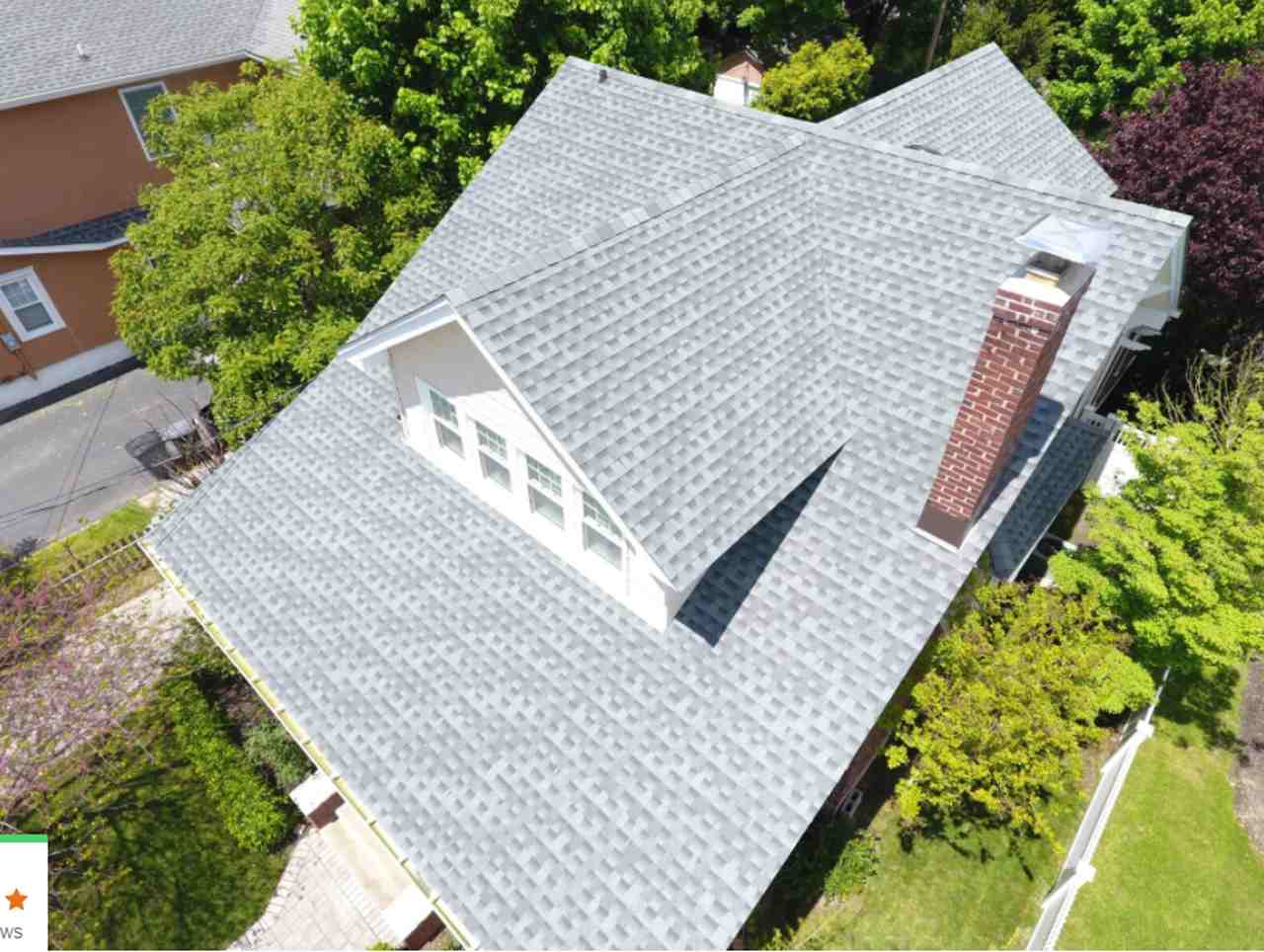
Finding roof issues during a home purchase gives you significant negotiation power. You have several options to address roofing problems.
Option 1: Request Seller Credits
Ask the seller to provide credits at closing equal to replacement costs. This lets you choose your own contractor and ensures quality work after you take ownership.
Benefits:
- You control contractor selection
- Work meets your standards
- No rushing to complete before closing
Option 2: Negotiate Price Reduction
Request a purchase price reduction equal to estimated replacement costs. Get professional estimates to support your negotiation.
Use multiple contractor quotes as evidence. A single estimate might be dismissed, but three similar quotes carry weight.
Option 3: Seller Replacement Before Closing
Ask the seller to complete the roof replacement before closing. This removes the project from your post-move responsibilities.
Consider the pros and cons:
- Pros: Work completed before you move in
- Cons: Less control over contractor choice and materials
Negotiation Strategy for Competitive Markets
In hot real estate markets, consider shared expenses. Propose splitting roof replacement costs 50/50 with the seller. This shows flexibility while still addressing the major expense.
Best Times of Year to Negotiate Roof Replacement Prices
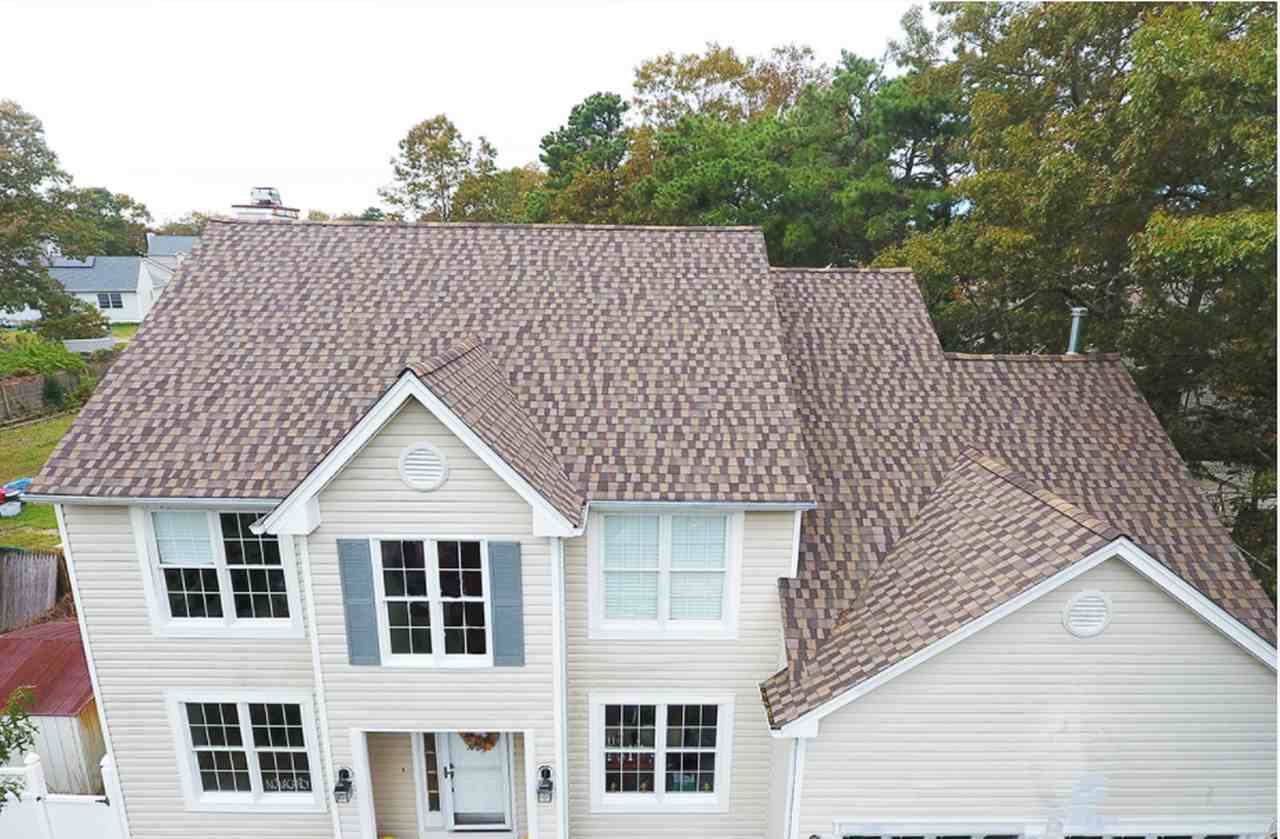
Timing your roof project strategically can save 10-20% on total costs. Contractors offer better prices during slower periods when they compete for limited jobs.
Off-season (November-March) offers the best savings: 10-20% discounts.
Why winter is best:
- Lower contractor demand = more competition for your project
- Contractors offer price discounts to fill schedules
- Faster project scheduling
- More negotiation flexibility
Spring Shoulder Season Benefits
Second-best option: Spring (March-May)
- Competitive pricing before peak summer season
- Better availability than summer months
- Ideal weather conditions for installation
- Contractors eager to book work
Pro tip: Book spring and early summer projects in January-March when contractors are planning schedules and most motivated to lock in work.
How to Get Multiple Roofing Quotes for Better Negotiation

Multiple quotes are your strongest negotiation tool. They establish fair market pricing and give you leverage with your preferred contractor.
Quote Collection Strategy
Contact at least three reputable contractors for detailed estimates. Request:
- Itemized material costs
- Labor breakdown
- Timeline estimates
- Warranty information
- Permit and disposal fees
Using Quotes to Negotiate
Present competing quotes to your preferred contractor. Ask them to match or beat the best pricing while maintaining quality standards.
Watch for red flags:
- Quotes significantly lower than others (possible corners being cut)
- Quotes much higher without clear value justification
- Contractors unwilling to provide detailed breakdowns
Negotiating Directly with Roofing Contractors
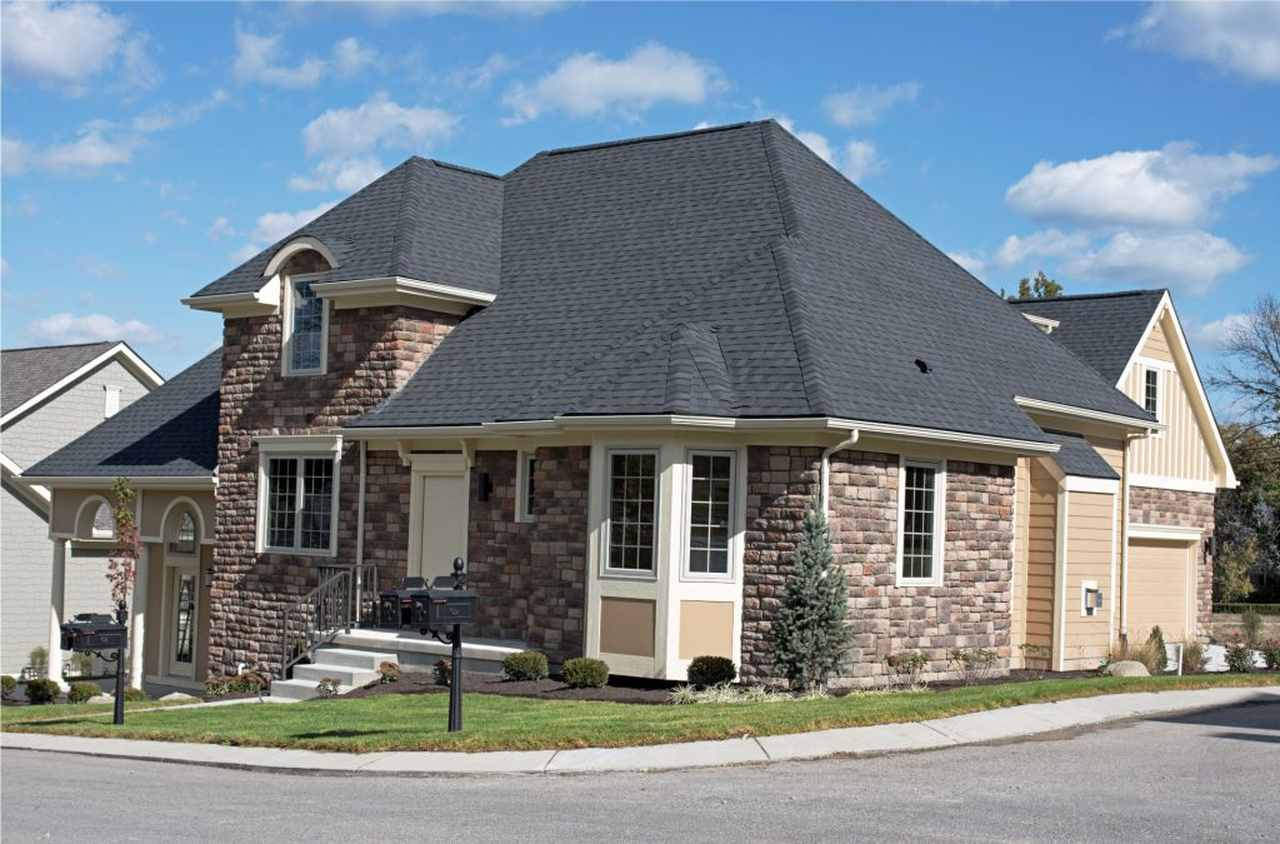
Direct contractor negotiation requires preparation and strategy. Know what to negotiate and when to stand firm.
Material Cost Negotiations
Ask about:
- Contractor discounts on bulk purchases
- Alternative materials with similar performance
- Seasonal material pricing fluctuations
- Direct purchase options for homeowners
Some contractors allow homeowners to purchase materials directly, reducing markup costs.
Labor and Timeline Flexibility
Negotiate on:
- Project timing for off-season discounts
- Payment schedules that work for both parties
- Additional services bundled at reduced rates
- Extended warranties for slightly higher upfront costs
Payment Terms That Save Money
Discuss payment options that benefit both parties:
- Larger down payments for project discounts
- Seasonal timing adjustments
- Bundle deals for multiple home improvements
- Referral discounts for future customers
Insurance Claim Negotiation for Roof Replacement

If your roof replacement involves insurance, negotiate effectively with adjusters and contractors.
💰 DEFINITION: Insurance Valuation Types
Actual Cash Value (ACV)
What your roof is worth after losing value due to age and wear.
Example: 15-year-old roof on $15,000 replacement job = ACV might be $6,000
Replacement Cost Value (RCV)
The full cost to replace your roof with new materials to meet building codes. Your insurance pays the full amount without reducing it for your roof’s age.
Same example: RCV = full $15,000 replacement cost
Negotiation Impact: If your policy covers RCV instead of ACV, you’ll receive $9,000 more in insurance proceeds. Always verify your policy type during settlement negotiations.
Understanding Your Coverage
Know the difference between:
- Actual Cash Value (ACV): What your roof is worth after wear and age
- Replacement Cost Value (RCV): Full replacement cost without depreciation
Review your policy carefully. No insurance covers all maintenance needs, and exclusions are clearly defined.
Working with Insurance Adjusters
Don’t accept the first settlement offer. Most initial offers come in lower than expected. You can negotiate by:
- Providing additional documentation
- Getting multiple contractor estimates
- Highlighting code upgrade requirements
- Considering public adjuster services for complex claims
Getting Multiple Inspections
Request at least three inspections and quotes from different roofers. Insurance companies often reconsider settlements when presented with consistent estimates from multiple professionals.
Evaluating Roofing Materials for Better Deals
Understanding roofing material options helps you negotiate better pricing and value.
Popular Roofing Materials and Costs
| Material Type | Cost per Sq Ft | Lifespan | Best For |
| Asphalt Shingles | $4-$8.50 | 20-30 Years | Most homes, budget-conscious |
| Metal Roofing | $5-$12 | 40-70 Years | Durability, energy efficiency |
| Clay/Concrete Tiles | $3-$10 | 50+ Years | Warm climates, wind resistance |
| Slate | $8-$20 | 75+ Years | Premium homes, wet climates |
| Solar Tiles | $15-$25 | 25+ Years | Energy generation, sunny areas |
⚖️ NEGOTIATION INSIGHT: Cost vs. Lifespan Trade-Off
Cheapest Option = Shortest Timeline Until Next Replacement
Asphalt shingles cost $4-$8.50/sq ft but last only 20-30 years.
Metal roofing costs $5-$12/sq ft but lasts 40-70 years.
For a 2,000 sq ft home:
- Asphalt: $8,000-$17,000 every 25 years (avg)
- Metal: $10,000-$24,000 every 55 years (avg)
Over 55 years, asphalt = 2 replacements + metal 1st replacement = higher total lifetime cost. Ask contractors for long-term cost analysis during negotiations, not just upfront price.
Negotiating Material Choices
Work with contractors to find the best value:
- Compare long-term costs vs. upfront savings
- Ask about manufacturer rebates or promotions
- Consider energy efficiency incentives
- Evaluate warranty differences between materials
How to Choose Roofing Contractors for Best Negotiation Results
Choose contractors who give you the best negotiation outcomes and quality work.
Essential Contractor Qualifications
Verify contractors have:
- Current licensing for your area
- Insurance and bonding protection
- Positive references from recent customers
- Experience with your roof type and materials
- Manufacturer warranty partnerships
Questions to Ask Before Negotiating
Get clear answers about:
- Insurance coverage details
- Specific experience with your roofing materials
- Free on-site inspection availability
- Detailed repair cost breakdowns
- Manufacturer warranty inclusion
- Timeline commitments and flexibility
Independent Contractors vs. Companies
Each option offers different negotiation advantages:
Independent Contractors:
- More flexible on pricing
- Direct relationship throughout project
- Better for smaller repairs
- May offer more personalized service
Roofing Companies:
- Manufacturer warranty partnerships
- Faster completion on large projects
- More resources for complex jobs
- Often provide free consultations
Assessing Hidden Costs and Potential Issues
Prepare for additional expenses that commonly arise during roof replacement. Discussing these upfront strengthens your negotiation position.
Common Hidden Damages
Contractors often discover:
- Decomposed decking: Soft or rotted roof decking requiring replacement
- Inadequate sheathing: Bouncy or springy decking needing reinforcement
- Ventilation problems: Poor airflow requiring system upgrades
- Structural issues: Support problems affecting installation
Negotiating Contingency Costs
Address potential extra costs before signing contracts:
- Set limits on additional work without approval
- Request detailed inspection before final quotes
- Establish hourly rates for unexpected repairs
- Define change order procedures clearly
How to Negotiate Roof Warranties: Protection & Coverage
Strong roofing warranties protect your investment and provide negotiation leverage.
Types of Warranties to Negotiate
Seek coverage for:
- Manufacturer defects: Material failure coverage (typically 15-30 years)
- Installation workmanship: Labor and installation issues (typically 1-10 years)
- System performance: Overall roof system function
- Property damage: Protection against installation-related damage
Warranty Terms to Negotiate
Push for:
- Longer warranty periods for premium pricing
- Transferable warranties for resale value
- Clear claim procedures and response times
- Local service availability
Lower-priced installations often come with shorter warranties. Factor long-term protection costs into your negotiation strategy.
Roof Replacement Financing Options That Strengthen Negotiation
Understanding financing gives you more negotiation flexibility and potentially better terms.
Cash Payment Advantages
Paying cash often unlocks:
- Project discounts (typically 3-5%)
- Faster project scheduling
- No financing fees or interest
- Stronger negotiation position
Home Equity Options
Home equity loans provide significant financing power:
- Borrow up to 85% of home equity value
- Often lower interest rates than credit cards
- Potential tax benefits (consult your accountant)
- Large project funding capability
Example: Home worth $200,000 with $120,000 remaining mortgage = $80,000 equity. Maximum borrowing potential: $68,000.
Warning: Defaulting on home equity loans risks foreclosure. Borrow only what you need and can afford.
Payment Plan Negotiations
Work with contractors on payment schedules:
- Smaller down payments for extended terms
- Progress-based payment milestones
- Seasonal payment adjustments
- Bundle financing for multiple projects
Red Flags to Avoid During Negotiations
Protect yourself from common roofing scams and poor contractors.
Warning Signs in Negotiations
Avoid contractors who:
- Demand large upfront payments (over 25%)
- Provide verbal-only estimates
- Pressure for immediate decisions
- Offer door-to-door sales pitches
- Lack proper licensing or insurance
- Provide quotes significantly below market rates
Protecting Yourself During Negotiations
Always:
- Get written estimates and contracts
- Verify licensing and insurance independently
- Check recent customer references
- Research company reputation online
- Understand all terms before signing
- Keep detailed records of all communications
Step-by-Step Roof Negotiation Action Plan: Before, During & After
Follow this step-by-step approach to maximize your roof negotiation success.
Before You Start Negotiating
- Research local pricing using multiple sources
- Document current roof condition with photos
- Understand your local building codes and permit requirements
- Check your insurance coverage and claim procedures
- Set a realistic budget including contingencies
During Active Negotiations
- Present multiple quotes as pricing evidence
- Ask specific questions about materials, timeline, and warranties
- Negotiate payment terms that benefit both parties
- Address potential issues upfront with clear procedures
- Get everything in writing before making commitments
Finalizing Your Agreement
- Review all contract terms carefully
- Verify insurance and licensing one final time
- Establish clear communication procedures for the project
- Understand change order processes for additional work
- Confirm warranty coverage and claim procedures
Ready to Start Negotiating?
Take the next step with confidence. Our free roof assessment includes:
✓ Professional photo documentation of current condition
✓ Detailed, itemized cost estimate (no surprise fees)
✓ Written explanation of the 25% rule for your roof
✓ Financing options and timing recommendations
✓ No pressure—just honest guidance
Most assessments take 15-20 minutes, and we typically schedule same-week availability in your area.
Get Professional Help for Your Roof Negotiation
Negotiating a new roof requires preparation, market knowledge, and strategic thinking. The right approach can save thousands while ensuring quality work and solid warranties.
Ready to start your roof replacement project? Proven Contracting provides expert guidance through every step of the process, from initial assessment to final installation.
Our experienced team works with you to find the best solutions for your home, whether you’re buying a new property or replacing an existing roof. Don’t let roofing costs overwhelm your budget – let us show you how strategic planning and negotiation can make your dream roof affordable.
Contact us today for your free roof inspection and detailed roofing estimate. We’ll help you understand your options and create a plan that fits your budget and timeline.
Frequently Asked Questions: Negotiating a Roof Replacement
Are roofing prices negotiable?
Yes, roofing prices are often negotiable. Contractors typically offer 10-20% flexibility on pricing, especially during slower seasons (November-March) or when competing for projects. Having multiple quotes gives you the strongest negotiation position.
How much can I save by negotiating a roof replacement?
Successful negotiation can save 10-20% on total project costs. For the average roof replacement costing $9,533, that’s $953-$1,906 in savings. Savings come from seasonal timing, multiple quote competition, payment term adjustments, and material choice optimization.
What is the 25% roof replacement rule?
The 25% rule is a building code requirement stating that when roof damage or repairs affect more than 25% of your total roof area, you must replace the entire roof to meet current building codes. This impacts permit requirements, insurance coverage, and total project scope.
What’s the best time of year to replace a roof for cost savings?
November-March (off-season) offers 10-20% savings on roof replacement costs. Contractors offer better pricing during slower periods and are more flexible on scheduling. Spring (March-May) provides the next-best opportunity with competitive pricing before peak season.
How many roofing contractor quotes should I get?
Get at least three detailed quotes from reputable contractors. Multiple quotes establish fair market pricing, give you negotiation leverage, and help you identify red flags (quotes significantly above or below market rate).
When should I avoid negotiating on roof replacement?
Avoid negotiating when emergency repairs are needed immediately, you’ve found unusually low pricing that seems too good to be true, contractors are already offering fair market rates, or you’re dealing with insurance emergency services requiring immediate response.