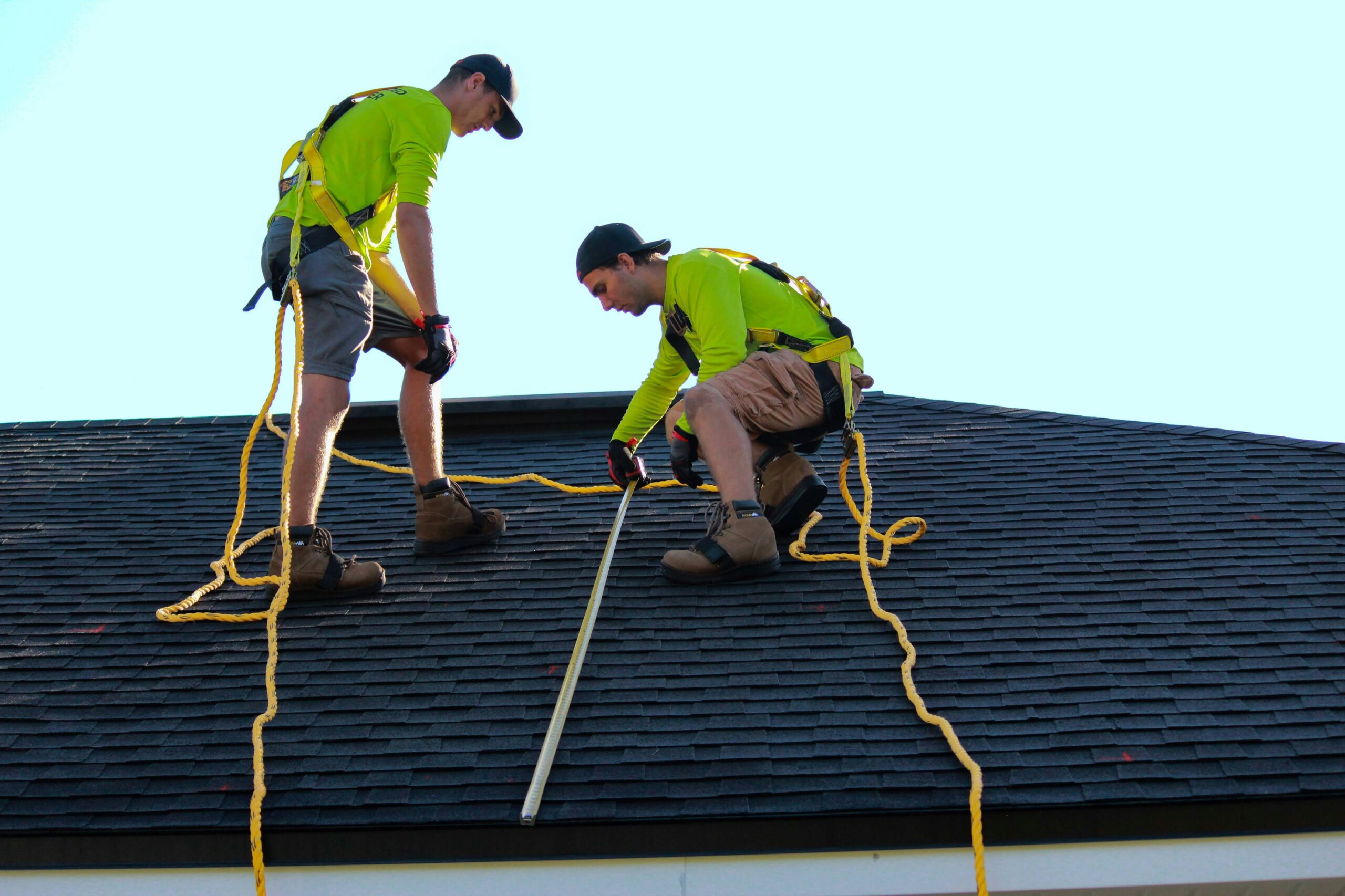
A leaking roof can turn from a minor inconvenience into a major structural issue in no time. Whether it’s a small drip or a steady stream of water coming through your ceiling, roof leaks should never be ignored. But before you can fix the problem, it’s important to understand what’s causing it.
In this comprehensive guide, we’ll explore the most common reasons why your roof might be leaking, how to identify the signs of a leak early, and the best repair solutions for each issue. We’ll also provide expert tips on prevention and tell you when it’s time to call in the professionals.
Recognizing the Signs of a Roof Leak
Before diving into causes and roof repairs, it’s essential to recognize the symptoms of a leaking roof. Catching these signs early can prevent thousands of dollars in damage.
Common Indicators:
- Water stains on ceilings or walls
- Dripping water or moisture accumulation in the attic
- Mold or mildew growth
- Peeling paint or wallpaper
- Missing, curled, or damaged shingles
- Damaged flashing or sealant
- Sagging areas on the roof or ceiling
Often, the source of the leak is not directly above the visible signs. Water can travel along rafters and pipes before emerging in your living space, which makes pinpointing the source a bit tricky.
Common Causes of Roof Leaks
Let’s break down the most frequent culprits behind a leaky roof:
1. Damaged or Missing Shingles
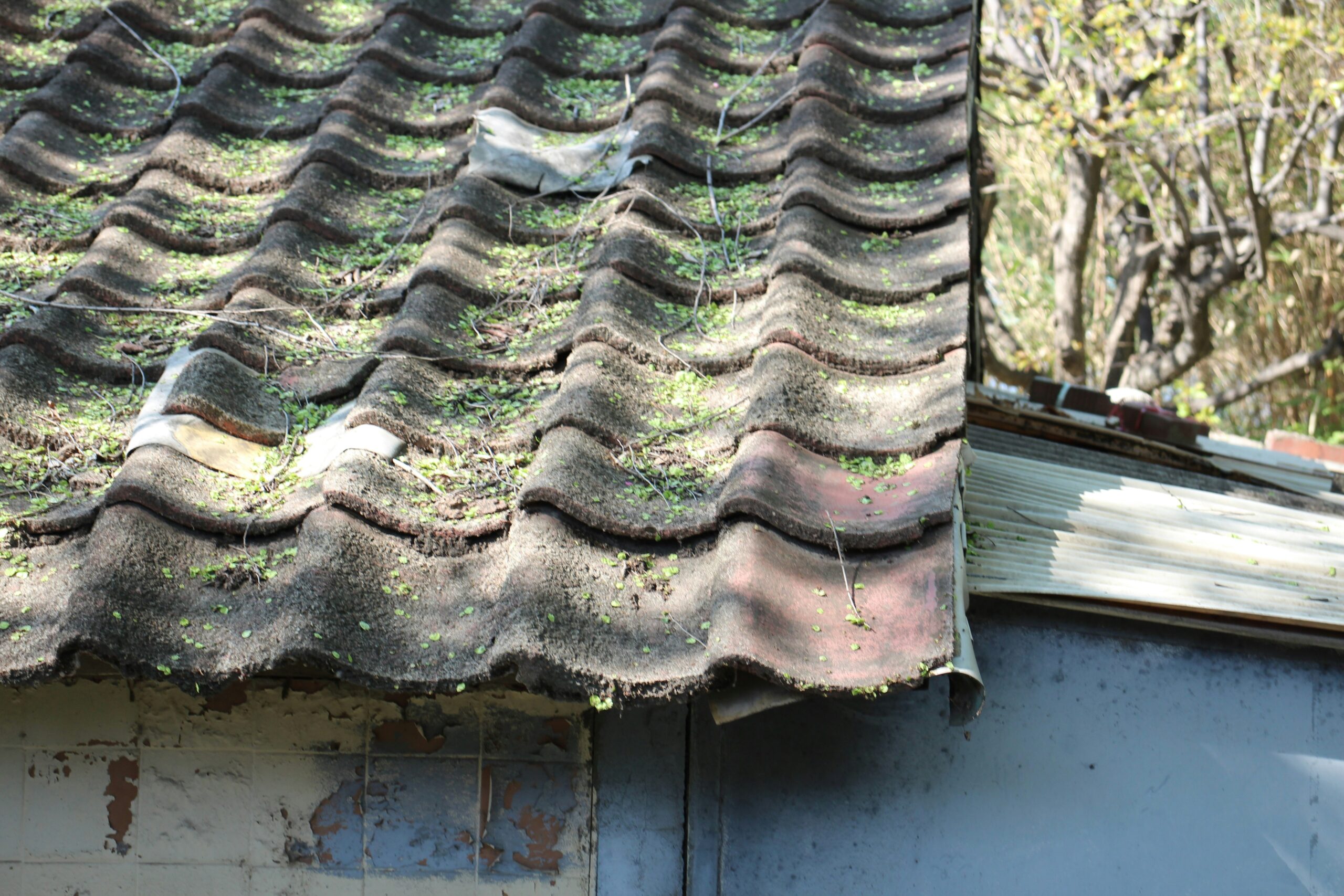
Shingles are your roof’s first line of defense. If they are cracked, curled, or blown off by wind, water can easily seep underneath and damage the underlayment.
2. Broken or Worn Flashing
Flashing is the metal installed around roof features like chimneys, skylights, and vents to divert water. If it’s cracked, corroded, or improperly installed, leaks can form at those vulnerable joints.
3. Poorly Sealed Valleys
Roof valleys are the V-shaped areas where two roof planes meet. These areas funnel water down the roof and are susceptible to leaks if not sealed properly.
4. Clogged Gutters
When gutters are blocked with debris, water can back up under the shingles and into your home. This also increases the risk of ice dams in colder climates.
5. Cracked Vent Booting
Vent pipes allow air to escape your plumbing system, and they’re sealed with vent booting. When this rubberized boot cracks or decays, water can leak through the opening.
6. Skylight Leaks
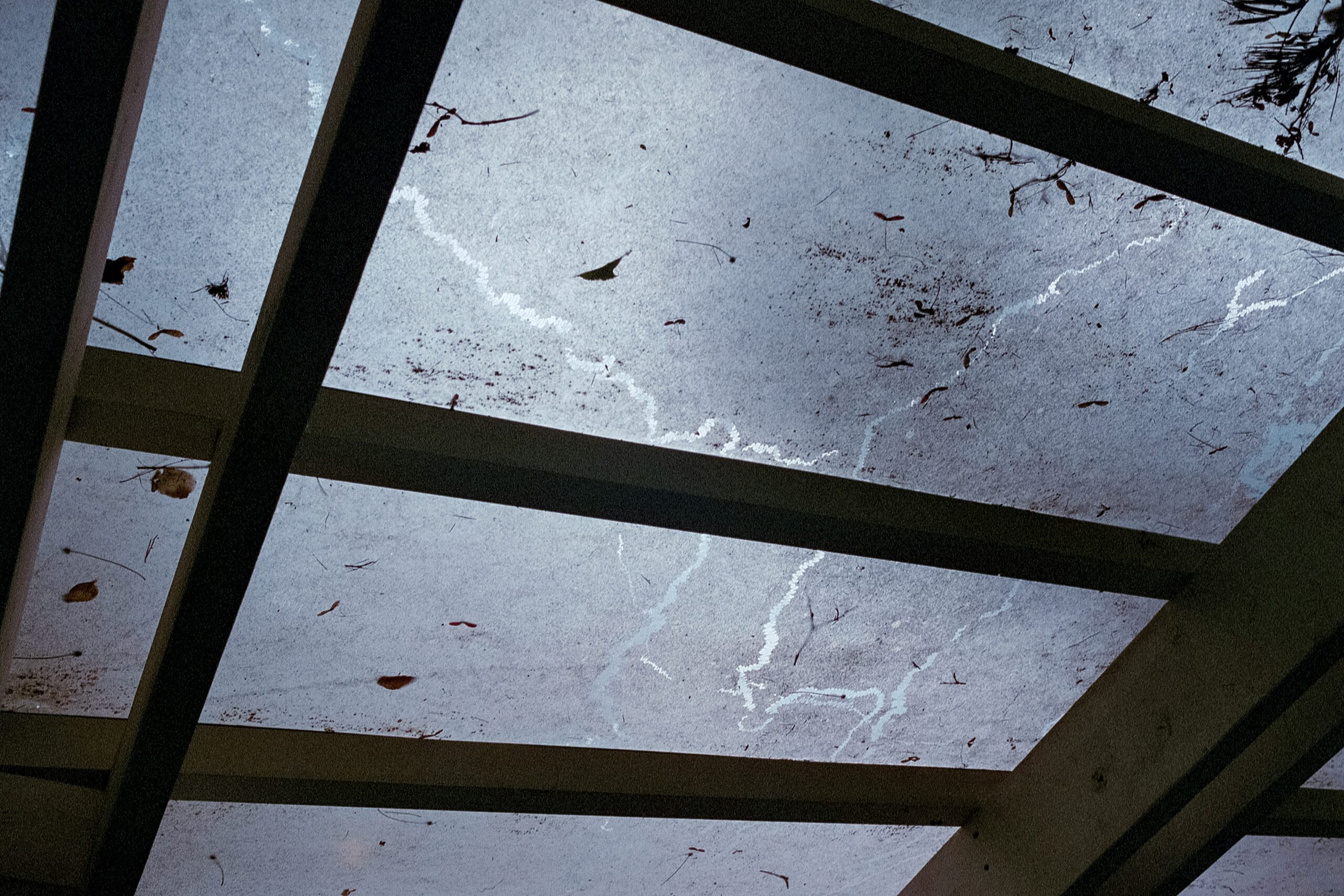
Improperly installed or aged skylights often develop leaks. Water may pool around the glass or seep through the flashing.
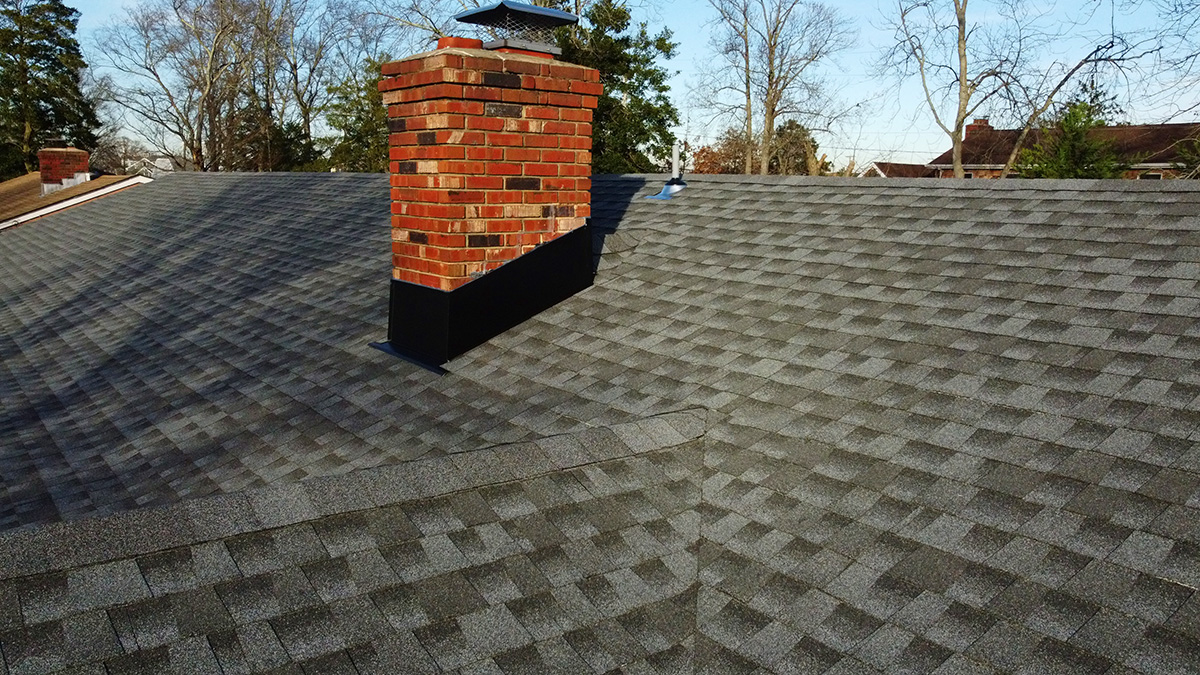
7. Chimney Problems
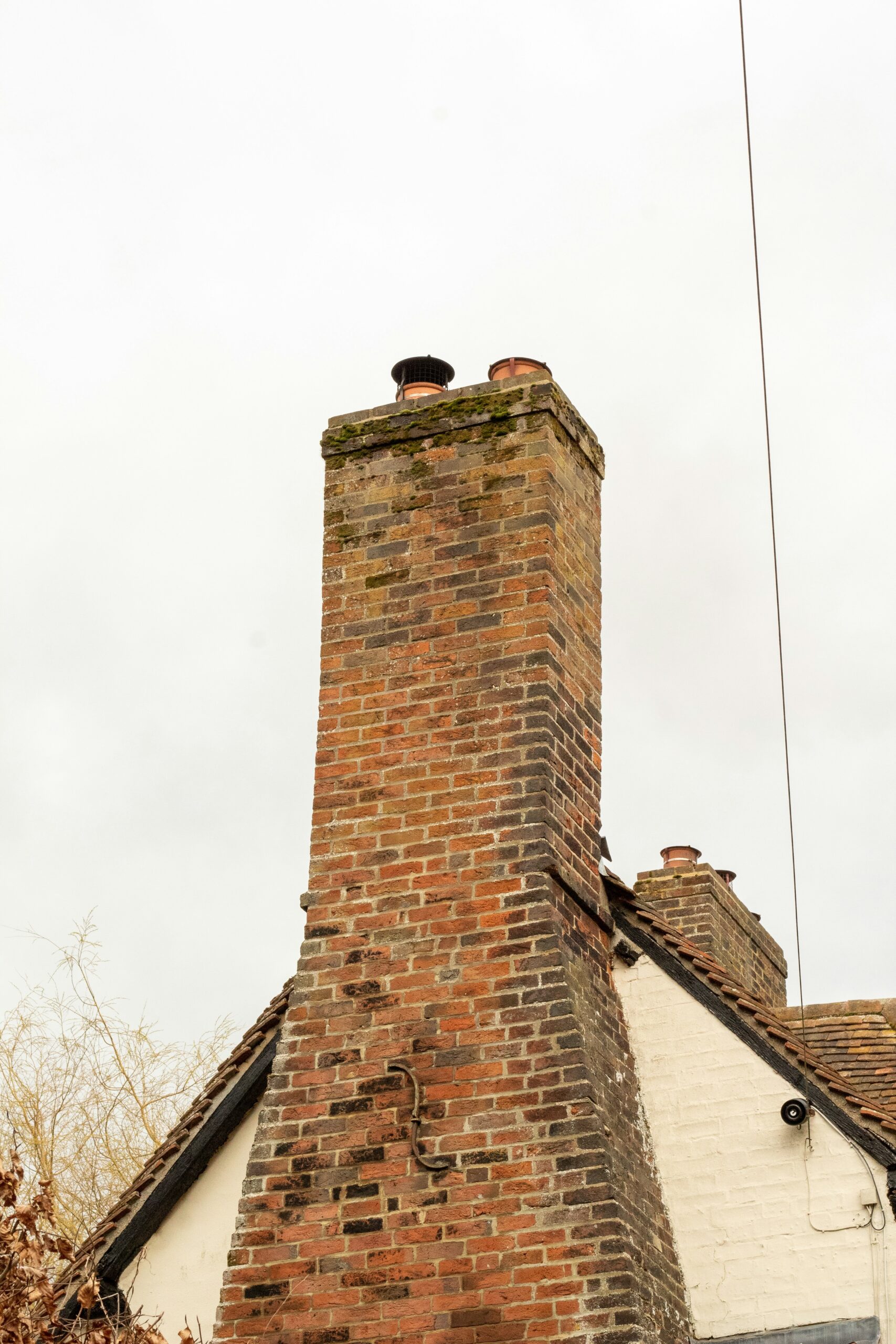
Bricks and mortar joints deteriorate over time. If not maintained, they can become prime sources for water intrusion.
8. Improper Installation
A roof that was not installed to industry standards or building codes can develop leaks prematurely. Poor alignment, inadequate flashing, and cheap materials often result in future issues.
9. Ice Dams
In winter, heat escaping from the attic melts snow on the roof, which then refreezes at the edges and forms ice dams. These prevent proper drainage and can force water under shingles.
10. Age of the Roof
All materials degrade over time. Asphalt shingles, for instance, generally last about 20-25 years. Beyond that, the risk of leaks increases significantly.
DIY Inspection and Temporary Fixes
Before calling a professional, you can conduct a preliminary inspection to identify where the leak might be coming from.
Safe Inspection Tips:
- Use binoculars or a drone for an initial visual check.
- Inspect your attic with a flashlight for signs of water intrusion.
- Check for damp insulation, discolored wood, or mold.
- Never walk on a wet or steep roof—safety first!
Temporary Fixes:
- Roofing tape or cement for sealing small cracks or holes
- Tarping to temporarily protect large areas until repairs are made
- Replacing individual shingles if you have experience and proper tools
Note: These are only temporary measures. A thorough inspection and professional repair will be necessary for a permanent solution.
Professional Repair Solutions
Shingle Replacement
If only a few shingles are damaged, replacing them is a simple and cost-effective repair. Pros will ensure the new shingles are properly sealed and integrated with the existing roofing.
Flashing Repair or Replacement
Old or faulty flashing will be removed and replaced with new, corrosion-resistant metal. Sealants are applied to reinforce the area and prevent future leaks.
Valley Sealing
Roof valleys may be resealed using specialized membranes or flashing. This is a complex repair best left to professionals.
Gutter Cleaning and Repair
Hire professionals to clean your gutters. They will clear debris, ensure proper slope, and fix any loose sections or leaks in the gutter system.
Chimney Maintenance
Masonry repair, mortar replacement, and flashing resealing may be required to prevent chimney-related leaks.
Roof Re-Sealing or Full Replacement
If your roof is old or extensively damaged, full replacement may be the most economical and effective long-term solution.
Leak Testing and Moisture Detection
Professional contractors use infrared and moisture-mapping tools to find hidden leaks and water damage that may not be visible to the naked eye.
Preventing Future Leaks
Regular Maintenance:
- Schedule twice-yearly inspections (spring and fall)
- Keep gutters clear of leaves and debris
- Trim overhanging branches to prevent shingle damage
- Inspect attic insulation and ventilation
Upgrade Materials:
- Use architectural shingles or metal roofing for greater durability
- Install ice and water shields in valleys and edges
- Opt for higher-grade flashing materials
Ventilation and Insulation:
Proper attic ventilation helps regulate temperature and prevent condensation and ice dams. Adequate insulation also prevents heat from escaping into the attic.
Professional Checkups:
Have a certified roofer inspect your roof annually or after severe weather. Small issues can be addressed before they become costly leaks.
Final Thoughts
A leaky roof is more than an inconvenience—it’s a gateway to water damage, mold growth, and expensive structural repairs. Identifying the cause of your leak early and addressing it with the appropriate solution can save you time, money, and stress.
While some minor fixes can be handled temporarily on your own, most roof leaks require professional attention to ensure a long-term fix. Don’t take chances with one of the most important parts of your home.
Trust Professionals
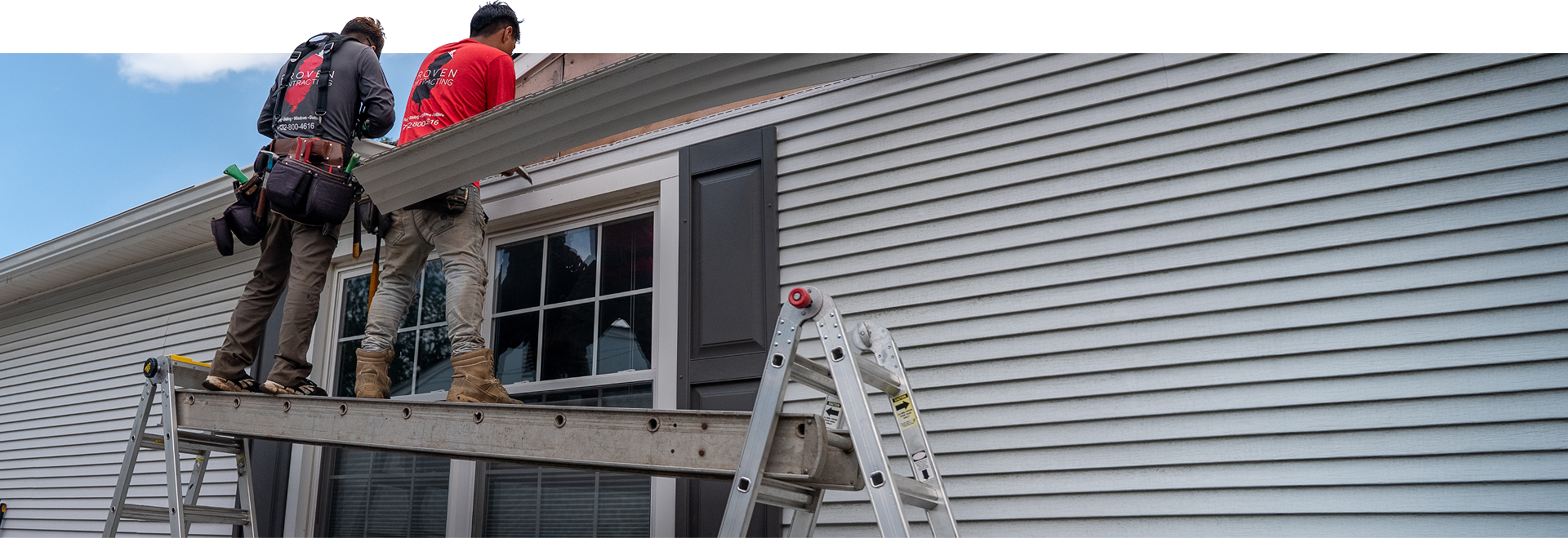
If your roof is leaking, don’t wait for the damage to get worse. Trust the professional roofers at Proven Contracting in Bayville, NJ for fast, reliable, and high-quality roofing services. From inspections to full roof replacements, they’ve got you covered.
👉 Learn More About Roofing Estimate from Proven Contracting
Roofing Leaks Frequently Asked Questions
1. How can I identify the source of a roof leak?
To identify the source of a roof leak, start by inspecting the attic for water stains, mold, or damp insulation, particularly after a storm. Check the roof surface for missing shingles, cracked flashing, or damaged roof vents. A garden hose test can also help locate the leak by isolating sections of the roof and observing for water ingress.
2. What are the most common causes of roof leaks?
Common causes of roof leaks include damaged or missing shingles, compromised flashing around chimneys or vents, clogged gutters, ice dams, and poor roof installation. Age-related wear and tear and severe weather conditions can also contribute to roofing problems.
3. Can a roof leak be fixed temporarily?
Yes, a roof leak can be addressed temporarily by placing a tarp over the affected area to prevent further water damage. Inside, a bucket can catch dripping water, and any saturated insulation should be removed to prevent mold growth. However, for lasting repairs, professional intervention is advised.
4. Is a roof leak covered by insurance?
Whether a roof leak is covered by insurance depends on the cause of the damage. If the leak results from sudden and accidental damage like a storm, it may be covered. However, leaks due to neglect or lack of maintenance are typically not covered. Reviewing your homeowner’s policy will provide specific coverage details.
5. How often should I inspect my roof for potential leaks?
It’s recommended to inspect your roof at least twice a year, preferably in the spring and fall, to catch issues before they lead to leaks. Additionally, an inspection after major weather events can help identify damage that might lead to water infiltration. Regular maintenance checks can significantly prolong the life of your roof.