

May
Share
Comments Off on Are Gutters Necessary in New Jersey? Here’s The Honest Truth Uncategorized
Are Gutters Necessary in New Jersey? Here’s The Honest Truth
Key Takeaways
- Gutters are absolutely essential for the majority of New Jersey homes because our unpredictable coastal storms can dump thousands of gallons of water that immediately threaten your property structure.
- The primary purpose of any gutter system is foundation protection; they redirect runoff to prevent erosion and the massive hydrostatic pressure that causes basement cracks and leaks.
- Properties that operate without gutters face severe exterior risks, including rotting wooden window trim, siding stains, and saturated, failing fascia and soffit boards.
- Proper gutter function requires perfect pitching (angling), professional fastening to the fascia, and seamless aluminum design to avoid the leaks common with DIY sectional systems.
- New Jersey homeowners surrounded by dense trees must commit to semi-annual cleanings or invest in quality gutter guards to keep their drainage systems flowing freely.
- While an upfront investment, a seamless gutter system by a certified team like Proven Contracting is far cheaper than the massive costs of repairing foundation settlement or water intrusion damage.
Picture a sunny Tuesday afternoon. A sudden northeastern storm hammers your roof, dumping inches of rain in a matter of minutes. As you look out the window, you notice water cascading directly off your roofline, pooling against your concrete foundation, and drowning your expensive landscaping. This frustrating scenario leaves many local homeowners wondering: are gutters necessary? Or can you skip installing gutters entirely?
Ignoring roof water runoff leads to rotted fascia boards, water-stained siding, and cracked basement walls. This guide breaks down exactly why these drainage channels matter, how they protect your structural integrity, and what happens to a house left completely unprotected against the elements.
Are gutters necessary in New Jersey?
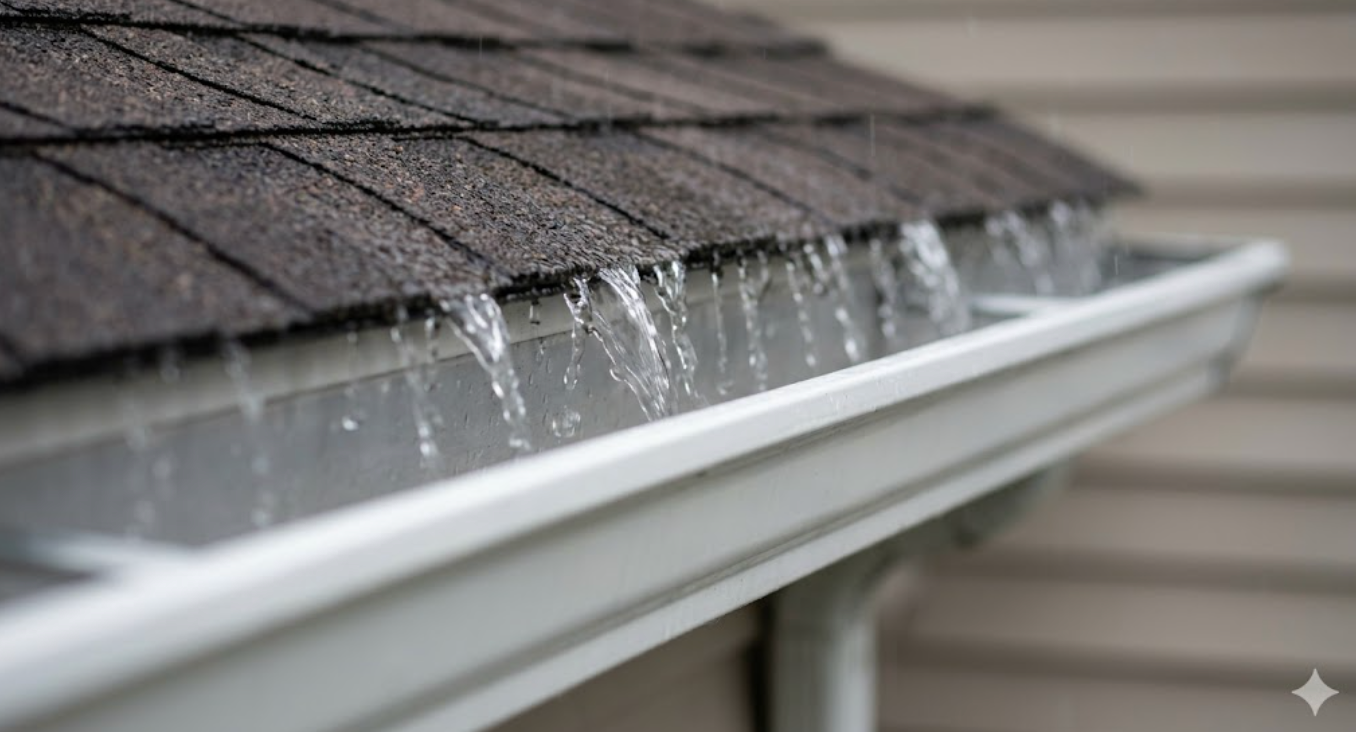
Yes! Gutters are necessary when your home experiences the heavy, unpredictable downpours common across the Garden State. From coastal storms in Toms River to heavy winter snow melts in Long Valley, your roof sheds thousands of gallons of water every single year.
Without a system to collect and redirect this massive volume, gravity takes over. The water falls straight down, battering your perimeter, eroding your soil, and eventually pressing against your basement walls.
Local soil conditions also play a massive role in how your property handles water. Sandy coastal soil drains quickly but shifts easily, while clay-heavy soil holds moisture directly against your foundation for days. Both scenarios threaten your home stability. When heavy rain pours off an unprotected roof, it creates deep trenches around your house, pooling water exactly where it can do the most financial damage.
New Jersey homeowners also face harsh winter freeze-thaw cycles. When water pools around your foundation and freezes, it expands with incredible force. This expansion creates tiny cracks in your concrete. The next thaw allows more water inside, and the next freeze widens the gap. Installing a managed gutter system is the most effective way to break this destructive cycle completely.
What are gutters for?
- Preventing foundational erosion, basement flooding, and costly structural settling.
- Protecting your landscaping, flowerbeds, and expensive topsoil from washing away during heavy downpours.
- Shielding your exterior siding, doors, and windows from constant water exposure, staining, and rot.
- Preserving the structural integrity of your soffit and fascia boards by preventing water from backing up.
What do gutters do?
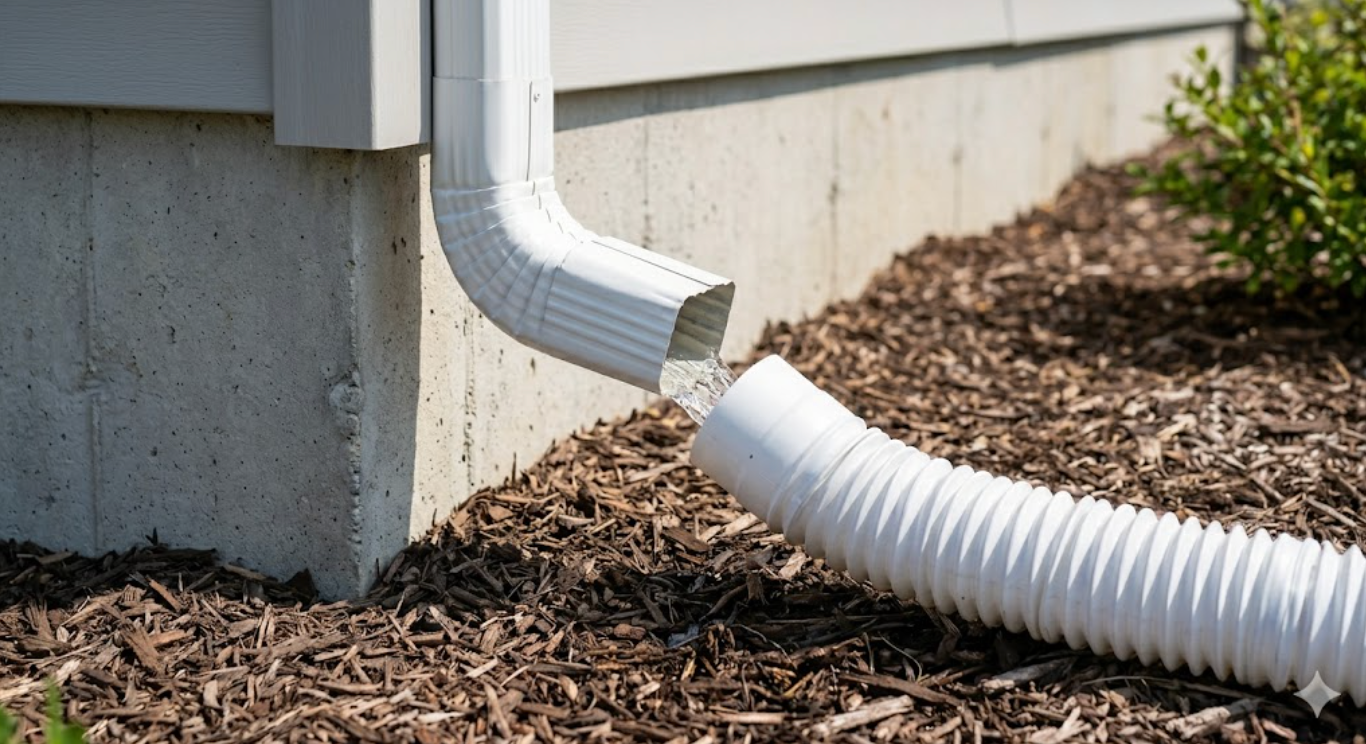
Once the water reaches the downspouts, it flows vertically down the side of your home. Extensions at the bottom of these spouts ensure the liquid discharges several feet away from your foundation line. This entire process keeps your home exterior dry and ensures water goes into the soil where it belongs, far away from your basement walls.
Properly functioning systems balance water volume and speed perfectly. If the channels are too small, heavy rain overflows, defeating the entire purpose of the system. If the pitch is incorrect, standing water accumulates, attracting mosquitoes and weighting down the fasteners. Every single component must work in unison to control the flow of water seamlessly.
Why are gutters important?
We get asked this question almost every single week while out on service calls. Homeowners look up at those metal channels and wonder if they actually do anything important. The reality becomes clear during the first heavy rainstorm. Gutters act as your home primary defense system against systematic water damage.
When you leave your roofline unprotected, thousands of gallons of water slam into the ground right next to your house. This constant pounding destroys your landscaping and washes away topsoil. More importantly, it saturates the earth around your foundation, creating immense hydrostatic pressure that pushes against your basement walls.
Over time, this pressure forces water through solid concrete, leading to damp basements, cracked walls, and toxic mold growth. We frequently see gorgeous, finished basements completely ruined because of a simple drainage failure overhead. Your roof collects all that rainfall, and without a managed path, that water will find its way inside your home.
Foundation protection
Your foundation relies on stable, dry soil to support the weight of your entire home. When roof runoff pours directly onto the ground, it erodes the dirt and creates deep pockets of space beneath your concrete footings. This erosion causes your home to settle unevenly. You will start noticing stuck doors, cracked drywall inside your living room, and shifting floors. Keeping water away from the base of your home is the absolute best way to avoid thousands of dollars in foundation stabilization down the road.
Siding and trim preservation
Fascia and soffit longevity
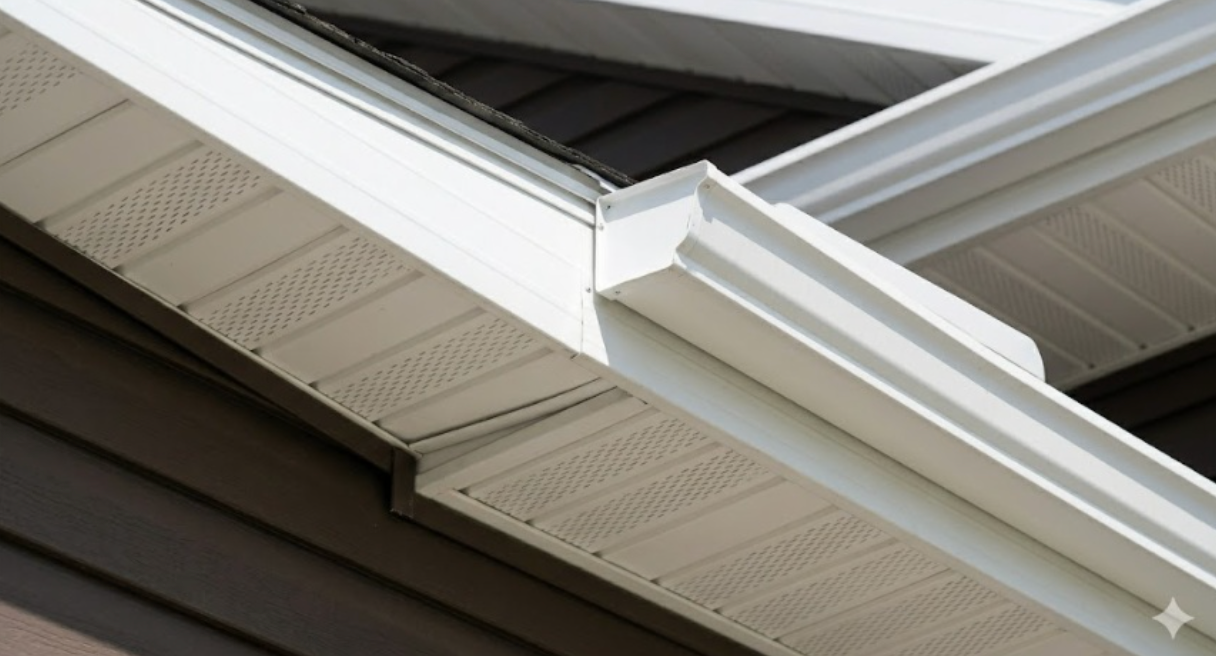
Your gutters attach directly to your fascia boards, which sit right under your roofline. A properly installed system routes water into the channel and away from this wood. When you lack a gutter system, water clings to the edge of your shingles, wrapping backward due to surface tension. This dampness rots out your fascia and soffit boards from the outside in. Replacing these rotted wooden elements requires removing sections of your roof edge, turning a simple maintenance issue into an expensive construction project.
Does your New Jersey home require gutters? [Property Risk Matrix]
Our crews use specific structural markers during our exterior evaluations in Toms River and Brick to determine exactly how urgent a gutter installation is for a property. Some houses face immediate risk during a downpour. Others have architectural features that buy them a little more time.
You can use this practical property assessment table to check your own home’s vulnerabilities right now.
| Home Feature | Low Risk Scenario | High Risk Scenario (Gutters Mandatory) |
| Roof Overhang | Deep roof overhangs extending past two feet from the exterior walls. | Standard roof overhangs measuring under twelve inches wide. |
| Ground Grading | Sharp, intentional ground sloping directly away from the home foundation. | Flat backyard terrain or dirt sloping backward toward your basement walls. |
| Surrounding Soil | Wide concrete aprons, paved walkways, or heavy stone beds surrounding the perimeter. | Loose garden topsoil, soft sand, or delicate landscape mulch beds. |
| Basement Status | Slab-on-grade home construction with no below-ground living spaces. | Full basement or a tight crawlspace prone to seasonal moisture buildup. |
Evaluating these factors gives you an accurate look at your actual drainage needs. If your house falls into the high risk column for even two of these categories, rainwater is actively threatening your structural integrity. Heavy storms across Monmouth County will continue to accelerate that hidden wear and tear until you control the runoff.
Pros and cons of having gutters in New Jersey
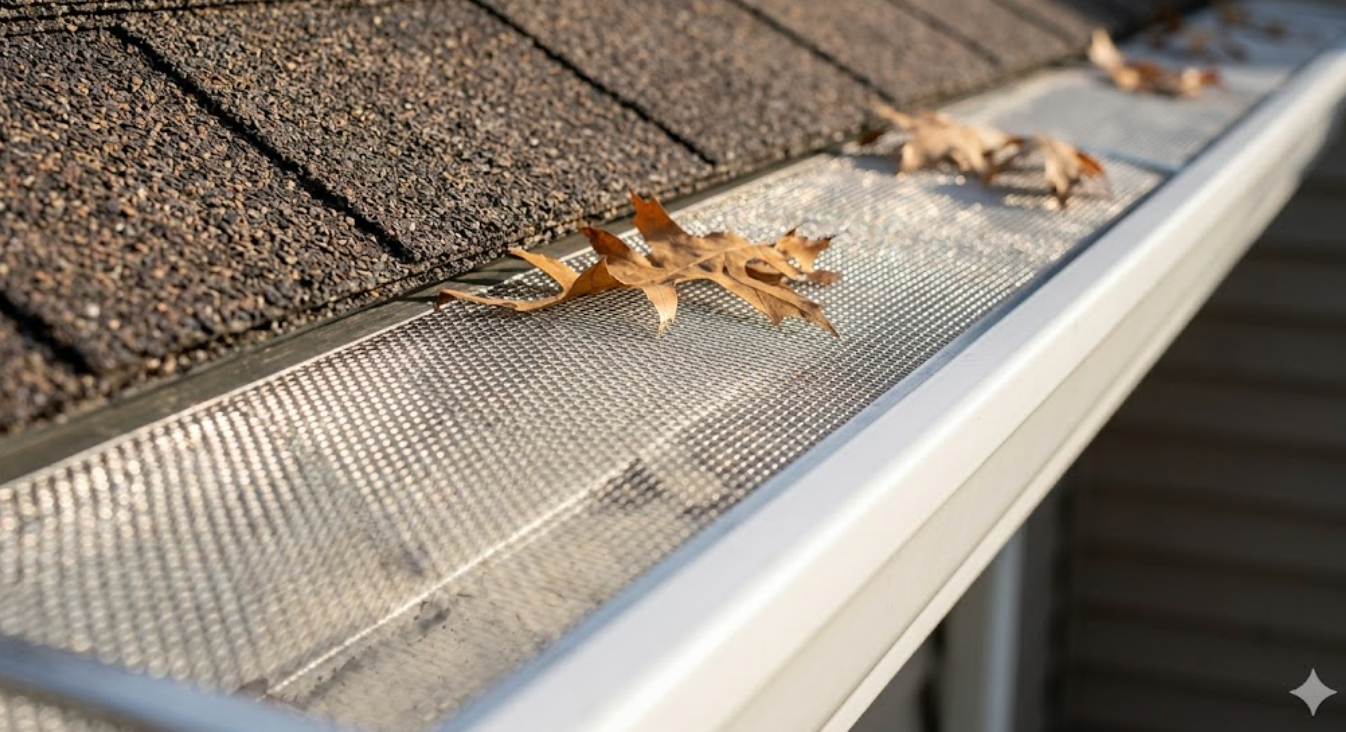
We believe in giving homeowners a straight answer. While we replace or repair gutters daily, adding fixtures to your home exterior does mean taking on specific maintenance realities.
The biggest downside is cleaning. Leaves, twigs, and pine needles clog the channels. If you do not clean them at least twice a year, standing water makes the system heavy enough to pull right off your fascia boards. You have to commit to regular upkeep or buy gutter guards.
However, the financial protection you gain outweighs the chores. You protect your finished basement from flooding, stop soil erosion, and eliminate exterior wood rot.
| Pros of Having Gutters | Cons of Having Gutters |
| Prevents foundation cracking and basement leaks. | Requires regular cleaning twice a year to prevent clogs. |
| Stops soil erosion and protects your landscaping tracks. | Adds an upfront cost to your exterior home improvement budget. |
| Eliminates water staining and rot on siding and window trim. | Can pull away from the fascia if heavy ice or debris builds up. |
| Protects fascia and soffit boards from rotting out early. | Can change the clean roofline look on certain modern homes. |
Do you need gutters? Frequently asked questions
What is the purpose of gutters?
Rain gutters serve as your property’s exterior water management infrastructure. They intercept roof runoff before it cascades down your exterior walls, immediately funneling the liquid safely out toward designated drainage areas. This systematically keeps your property dry and secure.
When are gutters not necessary?
As local contractors, we only see them as optional in arid desert environments receiving negligible rainfall, or on properties featuring massive roof overhangs coupled with concrete perimeter aprons. For standard residential properties throughout New Jersey, ignoring proper drainage invariably invites severe structural liabilities.
How often do I need to maintain or clean my gutters?
We advise clearing your drainage channels twice annually, typically during spring and late autumn. If your property is surrounded by dense oak or pine trees, you might require quarterly cleanings to ensure continuous flow and prevent heavy debris blocks.
Can I replace gutters without replacing my roof?
Absolutely. Gutter installations are independent projects that do not require replacing your roof or disrupting your existing shingle layout. Our crews safely detach your old, sagging tracks and securely anchor a seamless gutter system directly to your fascia without altering your current roof line.
What happens if I don’t have gutters?
Operating without channels causes rainwater to pummel your siding, saturating your window sills and forcing moisture straight down into your foundation walls. This relentless water exposure triggers wood rot, promotes toxic interior mold growth, and causes expensive structural shifting.
Are gutters worth the cost?
Yes. Spending a modest amount on robust drainage channels safeguards you from spending thousands on basement waterproofing or foundation restoration. It remains one of the most cost-effective investments you can make to protect your home’s equity.
Protecting your home’s structural foundation requires professional precision. At Proven Contracting, we provide dependable gutters across New Jersey to keep your property safe through every storm. Contact our team today to request a free gutter inspection or secure a reliable estimate for your property.