

Sep
Share
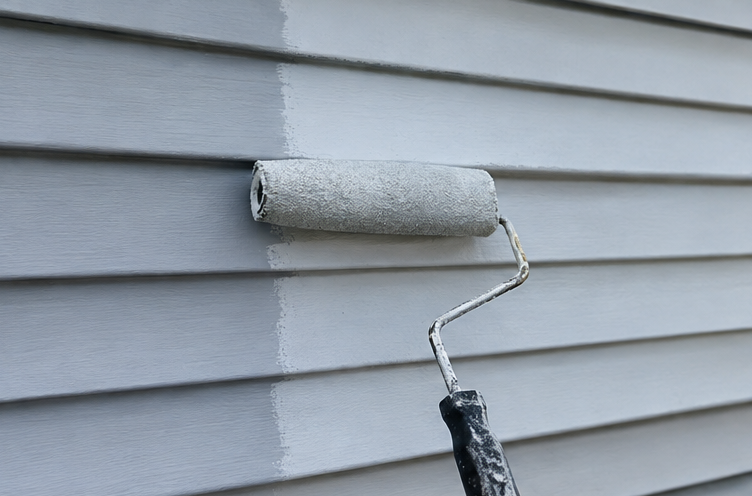
No Comments on Can You Paint Vinyl Siding? What Homeowners Should Know Uncategorized
Can You Paint Vinyl Siding? What Homeowners Should Know
Can You Paint Vinyl Siding? What NJ Homeowners Should Know
Key Takeaways
- Painting vinyl siding is technically possible, but it comes with real risks like warping, cracking, and voided manufacturer warranties.
- Dark paint colors absorb more heat than vinyl siding was designed to handle, which can cause panels to buckle.
- Painted vinyl siding typically only holds up for a few years before it needs to be redone, unlike new siding installations.
- In most cases, especially when siding is aging or damaged, replacement delivers better long-term value than a paint job.
If you have been standing in your driveway lately, squinting at your house and wondering why the siding looks so tired, you’re not alone. It happens to a lot of New Jersey homeowners eventually. Years of sun, salt air, humidity, and freezing winters take a toll on any home’s exterior, and at some point that faded, slightly dull color starts to bother you every time you pull into the driveway.
Naturally, painting seems like the fast, affordable fix. A weekend project, a few cans of exterior paint, and suddenly your house looks new again. At least that is the pitch you have probably seen on a home improvement forum or a YouTube video from someone three states away with a completely different climate than ours.
So, can you paint vinyl siding? We get calls about this constantly, usually from someone who already bought the paint before calling us, or someone smart enough to ask first. Either way, before you commit a weekend and a few hundred dollars to painting your vinyl siding, you deserve a straight answer about what actually happens to vinyl once paint goes on it, especially in a climate that swings the way ours does here in New Jersey.
Can You Paint Vinyl Siding?
Vinyl siding is made from PVC, or polyvinyl chloride, and here is the part that surprises a lot of homeowners: the color is not a coating sitting on top of the material. It’s mixed directly into the resin during manufacturing. That is why a scratch or a deep scuff on vinyl siding shows the same color all the way through, rather than revealing a different shade underneath like you would see on painted wood. The panel itself is the color. There is no separate paint layer to begin with.
So when the question comes up, and it comes up a lot, it’s usually less about whether paint can physically stick to vinyl and more about whether someone should go ahead and DIY it themselves this weekend. Maybe the siding has faded unevenly after years in the sun. Maybe a storm damaged a section and the replacement panel does not quite match the surrounding color anymore, since manufacturers change their color lines every few years. Maybe you’re getting ready to list your house and want a quick refresh before the photos go up. All of these are completely reasonable reasons to consider painting. They just do not tell the whole story about what happens after the paint dries.
Why Is It a Bad Idea to Paint Vinyl Siding?

Vinyl siding was engineered to perform a certain way in the sun and in temperature swings, and painting it changes that equation in ways that are hard to predict and even harder to undo. The biggest issue is heat. Manufacturers formulate vinyl siding to reflect a specific amount of sunlight based on its factory color, and darker colors absorb more heat than the panel was built to handle. Paint over that with an even darker shade, and you’re asking the vinyl to tolerate temperatures well beyond its design limits. The result is warping, and once a panel warps, there is no flattening it back out.
There is also the expansion and contraction problem, which most homeowners never think about until it bites them. Vinyl siding panels expand in the summer heat and contract again once temperatures drop, which is why installers leave small overlaps and gaps at the seams in the first place. When you paint the siding while it’s expanded in warm weather, you cannot get paint into those overlap areas.
Come winter, the panels shrink back down, and suddenly you have thin stripes of the original, unpainted color showing at every seam across your entire house. It’s a strange, patchy look that is nearly impossible to touch up correctly, since the panels need to be in their expanded, summer state to paint them evenly again.
On top of that, paint simply does not bond to vinyl the way it bonds to wood or fiber cement. Vinyl’s a smooth, non-porous surface, and even vinyl-safe acrylic paints are working against the material’s nature rather than with it. That means shorter paint lifespans, a higher chance of peeling or chalking, and a project you will likely be redoing sooner than you expected.
What Is the Downside of Painting Vinyl Siding?
- Risk of warping or buckling, especially with darker paint colors.
- Visible color stripes at panel overlaps once temperatures shift.
- Shorter paint lifespan compared to painted wood or fiber cement.
- Higher chance of cracking, peeling, or chalking over time.
- Voided manufacturer warranty on the siding itself in many cases.
- Ongoing maintenance costs that add up faster than homeowners expect.
When Is It a Good Idea to Paint Vinyl Siding?
There are narrow situations where painting vinyl siding makes sense, and it’s worth being honest about them rather than pretending there is never a right answer. If your siding is structurally sound, the panels are not warped or brittle, and the issue is purely cosmetic fading from years of sun exposure, a properly done paint job using a vinyl-safe product can extend the look of your home for a few more years.
The key word there is a few. Painting vinyl siding should be treated as a short-term cosmetic bridge, not a long-term solution, and it only holds up as an option when you stick to a color that is the same shade or lighter than your original siding. Go darker, and you’re back to fighting the heat absorption problem no matter how good the paint product claims to be.
If your siding is aging out of that narrow window, it’s worth looking at what your other options actually are before committing to a paint job you will likely redo in a few years. Some homeowners are surprised to learn how much variety exists among house siding options, and how much newer materials have improved on durability and color retention compared to what was available when their current siding went up.
Signs Your Vinyl Siding Needs Attention
Not sure whether your siding is dealing with simple dirt or something more serious? Run through this quick checklist before deciding what to do next.
- Chalky white residue rubs off when you run your hand across the surface
- Panels look wavy, rippled, or warped, especially on sun-facing walls
- Cracks or brittleness, particularly near corners and trim
- Visible gaps or shifting at the seams between panels
- Color has faded well beyond what a good cleaning can fix
If you’re checking off more than one or two of these, it’s worth getting a professional opinion before deciding what to do next.
Painting Vinyl Siding vs. Replacing: What You Should Consider
Deciding between a paint job and full siding replacement really comes down to how much time, money, and predictability you’re willing to trade off. The table below breaks down how the two options actually compare once you look past the initial price tag.
| Factor | Painting Vinyl Siding | Replacing Vinyl Siding |
| Upfront Cost | Lower | Higher |
| Expected Lifespan | A few years before touch-ups or repainting | Decades, often 20+ years with proper care |
| Appearance Consistency | Risk of overlap striping and uneven finish | Uniform, factory color across every panel |
| Manufacturer Warranty | Often voided by painting | Full warranty coverage from installation |
| Ongoing Maintenance | Repainting cycles, touch-ups, monitoring for warping | Occasional cleaning, no repainting ever needed |
| Impact on Resale Value | Minimal to none, may raise buyer questions | Meaningful boost to curb appeal and home value |
The Bottom Line on Painting Vinyl Siding
So, if you’re still wondering, “Can I paint vinyl siding?” Technically, yes. Should you? For most NJ homeowners dealing with aging, faded, or damaged siding, the risks tend to outweigh the short-term savings, especially once you factor in the possibility of warping, an uneven finish, or a voided warranty. If your siding is still in solid shape and you’re just looking to freshen up the color for a year or two, a careful paint job might buy you some time. But if your siding has been through more than a decade of Jersey winters and salt air, it’s worth having an honest conversation about what a real, long-term fix looks like.
The team at Proven Roofing has helped homeowners throughout New Jersey make this exact call. And we’re happy to take a look at your siding and give you a straight answer about whether painting, patching, or full replacement makes the most sense for your home. Reach out today for a free siding estimate and let’s figure out the right move together.
Painting Vinyl Siding FAQs
Can you paint over vinyl siding?
Yes, you can paint over vinyl siding using a vinyl-safe acrylic paint, but it comes with real risks like warping from heat absorption and uneven results at panel seams, especially with darker colors.
How long does paint last on vinyl siding?
Paint on vinyl siding generally lasts anywhere from a few years up to around a decade, depending on the paint quality, color choice, and how well the surface was prepped before application.
Should you paint vinyl siding yourself or hire professionals?
Painting vinyl siding requires careful prep, the right products, and an understanding of how the material expands and contracts, so most homeowners are better off consulting a professional. Our team at Proven Roofing can walk you through whether painting or replacement makes more sense for your home.