
Jul
Share

Comments Off on House Siding Options: Types, Costs & Which is Best for Your NJ Home Uncategorized
House Siding Options: Types, Costs & Which is Best for Your NJ Home
Key Takeaways
- Five main materials dominate the NJ market: vinyl, wood, metal, fiber cement, and stone, each with tradeoffs in cost, upkeep, and lifespan.
- Vinyl remains the most budget-friendly choice, typically running $4 to $12 per square foot installed, while natural stone sits at the premium end.
- Climate matters more than most homeowners realize. Coastal moisture, freeze-thaw cycles, and salt air along the Jersey Shore all shorten or extend a material’s real-world lifespan.
- Lifespan varies dramatically, from 20 years for basic vinyl to 40, 70, or more for metal and stone.
- New siding can meaningfully affect resale value, and the material you choose plays a direct role in that return.
House siding options range from budget vinyl panels to premium natural stone, and the material you pick will shape your home’s curb appeal, energy bills, and maintenance schedule for decades.
This guide breaks down the five most common siding materials you’ll actually encounter when working with a professional siding services company. We’ll also cover average costs, how long it holds up, where it tends to struggle, and which factors should drive your decision beyond just the price tag on a contractor’s estimate. By the end, you’ll have a clear sense of which direction makes sense for your house, your budget, and your neighborhood.
House Siding Options: Quick Reference Table
Costs and lifespans shift depending on your home’s size, the complexity of your roofline, and the specific product line you choose. Still, this table gives you a realistic starting point for comparing house siding options at a glance before we dig into each one individually.
| Siding Type | Average Costs | Maintenance Level | Average Lifespan |
| Vinyl | $ | Low | 20-40 years |
| Wood | $$$ | High | 20-40 years (with regular upkeep) |
| Metal | $$ | Low | 40-70 years |
| Fiber Cement | $$$ | Low to Moderate | 30-50 years |
| Stone | $$$$$ | Very low | 75-100+ years |
Different Types of Siding for Homes
Every siding material handles moisture, temperature swings, and impact a little differently, and those differences matter more once you factor in a New Jersey winter or a Jersey Shore summer. Here’s a closer look at the five options homeowners in our service area ask about most.
1. Vinyl Siding

Vinyl remains one of the most popular house siding options across the northeastern United States due to its adaptability and accessible price point. Polyvinyl chloride plastic comprises the bulk of these panels, ensuring they resist rot, insects, and moisture damage without requiring constant paint updates.
Modern manufacturing creates thick, durable profiles that mimic traditional wood grain patterns effectively. Homeowners seeking optimal efficiency frequently evaluate whether vinyl siding is the ultimate material choice for balancing insulation values against upfront project budgets.
Pros:
- Lowest upfront cost of any major siding type
- Minimal maintenance, no painting required
- Wide range of colors and profiles
Cons:
- Can crack or warp in extreme cold
- Color fades over time and can’t be easily changed
- Lower-end products can look less premium than wood or stone
2. Wood Siding
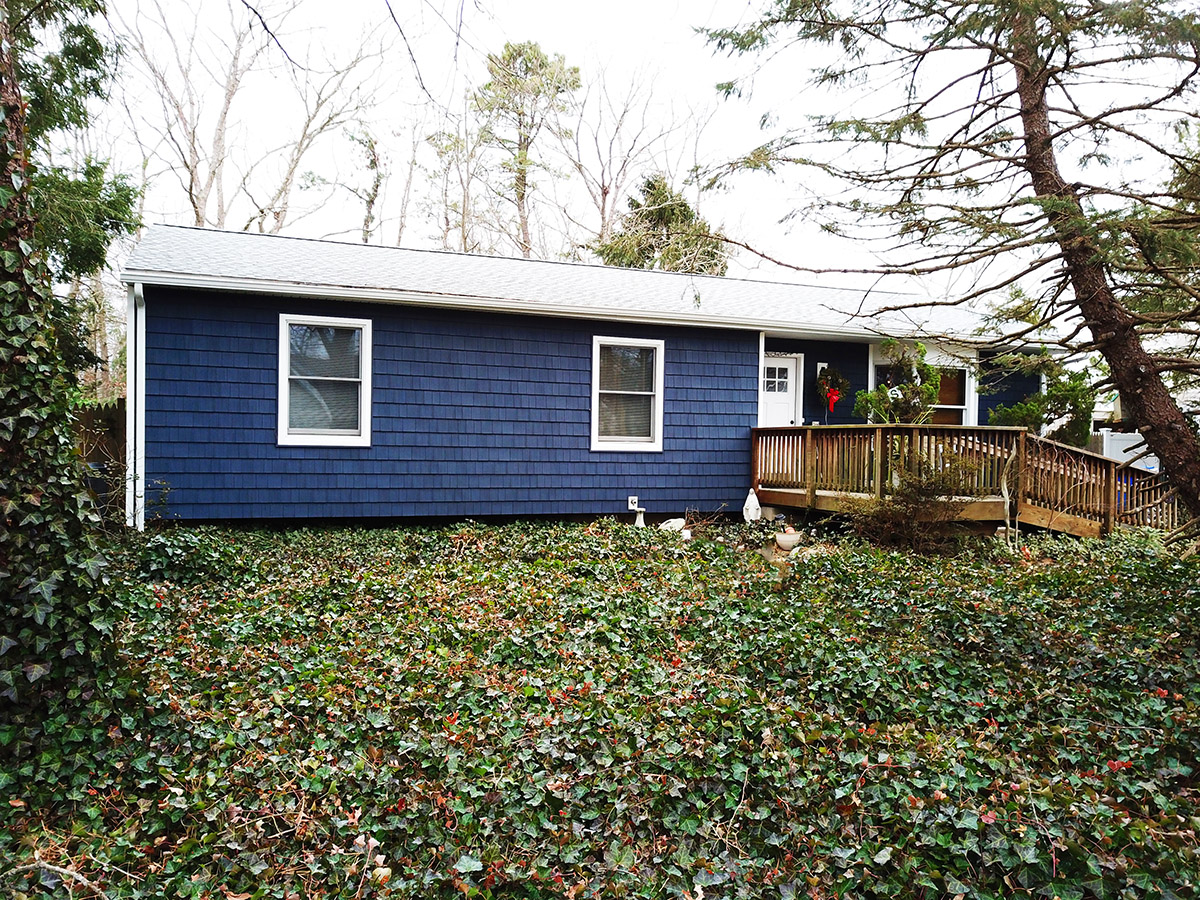
Wood siding gives homes a warmth and texture that manufactured materials still struggle to replicate, which is why you’ll see it on a lot of the older Colonials and Cape Cods around Toms River and Brick. Cedar and redwood are the most common choices because both resist rot naturally better than pine or fir.
The catch is upkeep. Wood needs repainting or restaining every few years, and in a humid coastal climate like ours, skipping that maintenance invites moisture damage, warping, and insect problems fast.
Pros:
- Authentic, high-end curb appeal
- Can be repainted or restained in any color
- Naturally insulating compared to vinyl
Cons:
- High maintenance requirements
- Vulnerable to rot, insects, and moisture
- Higher long-term cost due to upkeep
3. Metal Siding
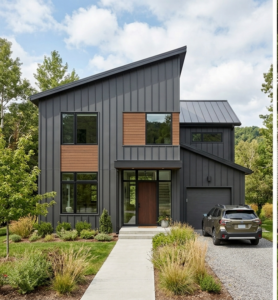
Metal siding, whether steel, aluminum, or a higher-end option like zinc, has become a serious contender for homeowners who want durability without constant upkeep. Steel and aluminum typically has a lifespan of 40 to 70 years and strong fire resistance built in.
Aluminum siding handles salt air better than most materials, which makes it a smart consideration for homes closer to the bay or the shoreline. Steel holds up to impact better but can rust over time if the protective coating gets compromised, so finish quality matters as much as the metal type itself.
Pros:
- Exceptional lifespan and durability
- Fire-resistant and pest-resistant
- Handles coastal salt air well (especially aluminum)
Cons:
- Higher upfront cost than vinyl
- Can dent from hail or debris impact
- Limited DIY repair options if damaged
4. Fiber Cement Siding

Fiber cement, often sold under the James Hardie brand name is a blend of cement, sand, and cellulose fibers engineered to mimic the look of wood clapboard without the maintenance headaches.
Fiber cement can be customized with unique color patterns or textures that resemble stone or brick. It stands up well to humidity, resists pests, and won’t warp the way wood does. The tradeoff is weight and installation complexity, so hiring an experienced crew matters more here than with vinyl.
Pros:
- Durable and resistant to rot, pests, and fire
- Convincingly mimics wood, stone, or stucco
- Long lifespan with low maintenance
Cons:
- Higher material and labor cost
- Heavy, so installation requires skilled crews
- May need repainting every 10-15 years depending on finish
5. Stone Siding
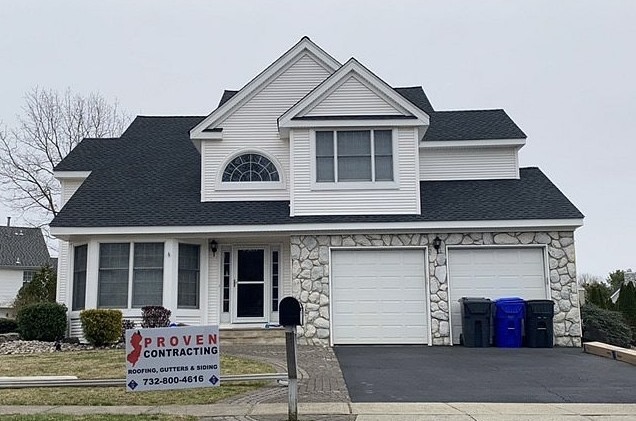
Natural stone sits at the top of the price range, and it’s usually reserved for accent walls, entryways, or full exteriors on higher-end homes. It’s also, by a wide margin, the most durable material on this list. Real stone can last a century or longer with essentially no maintenance beyond occasional cleaning.
The downside is obvious the moment you get a quote: stone is heavy, expensive to transport, and demanding to install correctly, which drives labor costs well above every other option on this list.
Pros:
- Unmatched lifespan and durability
- Virtually no maintenance required
- Significant curb appeal and resale value
Cons:
- Highest cost by a wide margin
- Heavy, requiring structural considerations
- Limited to accent applications on many budgets
Factors for Choosing the Best Siding for Your House
Picking a siding material isn’t just about matching a budget to a look. Where your house sits matters just as much as what you can spend. A home a few blocks from the water deals with a completely different set of stresses than one further inland, and a material that thrives in Arizona’s dry heat or California’s wildfire zones can fail fast in a New Jersey winter.
For homeowners in Ocean and Monmouth Counties specifically, the combination of humidity, salt exposure, and freeze-thaw cycles narrows the smart choices considerably. Beyond climate, a handful of other factors should shape the decision before you sign off on a material.
- Climate: Salt air along the shore accelerates corrosion in lower-grade metals and speeds up moisture damage in untreated wood. Inland homes have more flexibility, but freeze-thaw cycles still stress every material to some degree over time.
- Home Size: Larger homes multiply both material and labor costs, which makes the price gap between vinyl and premium options like stone far more noticeable on a 3,000 square foot house than a 1,500 square foot one.
- Landscape: Homes surrounded by heavy tree cover deal with more moisture retention and debris buildup against the siding, which can matter more for wood than for metal or fiber cement.
- Aesthetic and Style: A colonial-style home in Toms River is going to call for a different look than a modern build near the bay, and some materials simply pair better with certain architectural styles than others.
- Upkeep and Lifespan: Homeowners who plan to stay long-term often get more value out of investing in a low-maintenance, long-lifespan material upfront rather than paying for repeated repainting or repair over the years.
Siding Materials Comparison Chart
Cost and lifespan only tell part of the story. The chart below breaks down how each siding material stacks up across the practical qualities homeowners tend to care about most once they start comparing quotes.
| Vinyl | Wood | Metal | Stone | Fiber Cement |
| Cost-Effective | ✔ | |||
| High Durability | ✔ | ✔ | ||
| Variety | ✔ | ✔ | ✔ | ✔ |
| Energy Efficient | ✔ | ✔ | ||
| Low to No Maintenance | ✔ | ✔ | ✔ | |
| High Maintenance | ✔ | ✔ | ✔ | |
| UV Resistance | ✔ | ✔ | ✔ | |
| Fire Resistant | ✔ | ✔ | ||
| Long Lifespan | ✔ | ✔ | ✔ | ✔ |
Home Siding Options: FAQs
What is siding on a house?
Siding is the outer layer of material covering a home’s exterior walls, protecting the structure from weather, moisture, and pests while defining its overall look.
What are the best siding materials for homes?
Vinyl, fiber cement, and metal tend to offer the best balance of cost, durability, and low maintenance for most New Jersey homeowners. The right pick depends on your budget, home style, and how close you are to the coast, which is why a free siding estimate from a local contractor is worth getting before deciding.
Can you paint vinyl siding?
Yes, but it requires specially formulated vinyl-safe paint designed to flex with temperature changes without cracking or peeling. Standard exterior paint won’t hold up the same way and can void certain manufacturer warranties.
How do you install vinyl siding?
Vinyl installation involves securing starter strips, corner posts, and panels in a specific overlapping sequence that allows the material to expand and contract with temperature shifts. Successful siding projects rely on experience, since improper nailing or spacing leads to buckling down the road, so it’s best left to a professional siding contractor rather than attempted as a DIY project.
Does new siding increase home value?
Alongside a new roof, new siding is consistently one of the higher-return exterior upgrades a homeowner can make, both for curb appeal and resale value. Buyers tend to view fresh, well-maintained siding as a sign the rest of the home has been cared for too.
How much is siding for a house?
Costs vary widely depending on the material, your home’s size, and the complexity of the job, and New Jersey homeowners often see a wide range once removal, labor, and trim work are factored in. The most accurate way to know what your project will run is to request a free estimate from a contractor familiar with local homes.
Finding the Right House Siding Options for Your Home
The right choice among house siding options comes down to your budget, how much upkeep you’re willing to take on, and how long you plan to stay in the home. Vinyl and metal work well for homeowners who want reliability without constant maintenance, wood suits those chasing a classic look, and stone or fiber cement make sense when longevity and curb appeal matter most.
None of these materials perform the same way once you factor in salt air, humidity, or a New Jersey winter, so the right pick often depends more on your location than your Pinterest board.
At Proven Roofing, we’ve helped homeowners throughout New Jersey choose and install siding built to hold up to local weather. If you’re ready to move forward, reach out free siding estimate and get a straight answer on what makes sense for your ho