An energy-efficient roof saves you money and reduces your carbon footprint. Coincidentally, what makes for an energy-efficient roof is also what makes for a good roof! Other than the materials and workmanship, though, there are many other factors to consider, like ventilation and insulation. Additionally, people have many questions about the role of their roof’s color and other qualities in determining energy efficiency. So, let’s get to work answering those questions!
Roof Color and Energy Efficiency
In theory, a light colored roof would conserve energy better because it would reflect rather than absorb light, heat, and solar radiation, making your home easier to cool in the winter, saving you money. The recommendations issued by the US Department of Energy to lower the temperature of your roof can help take the temperature of a roof that’s as hot as 150°F as far down as 100°F!
However, these steps are only offered to homeowners who live in climates much hotter than Southern New Jersey. It’s actually not recommended to make a cooler roof if you don’t live in hotter climates because it could make your home harder to heat in the winter, which would cost you money and waste energy. So, you can have a dark color if you want!
Will a Black Roof Make Your Home Hotter? Will a Darker Roof?
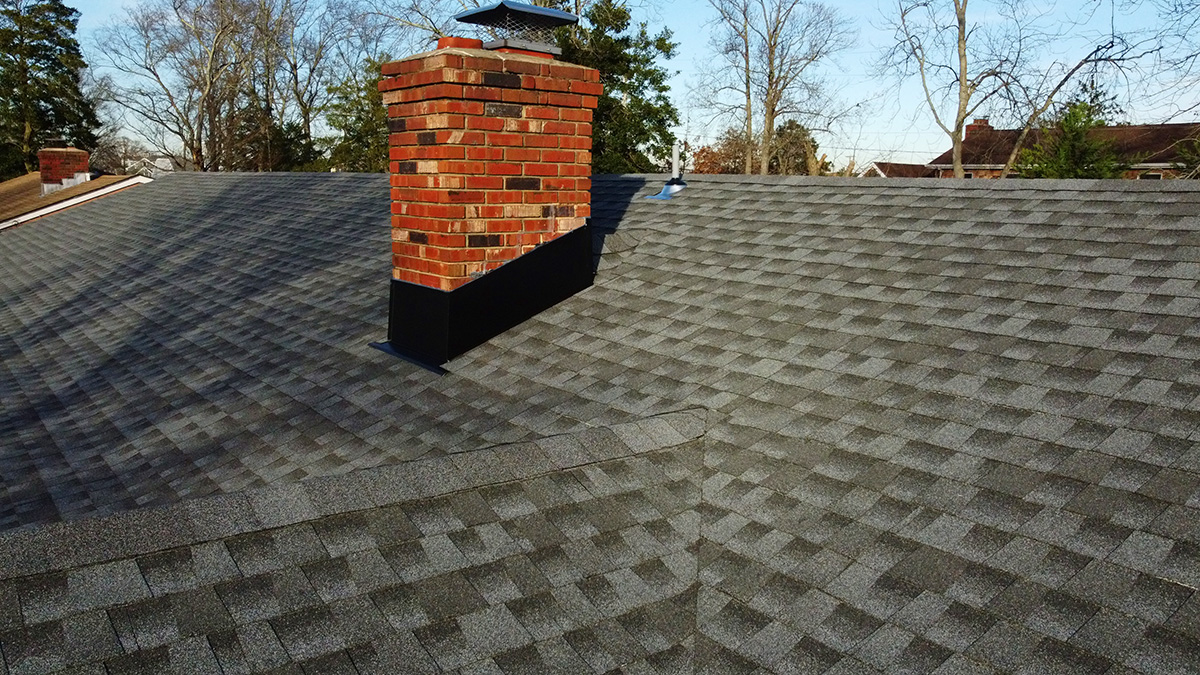
A black or dark-colored roof will make your home hotter, but Southern New Jersey doesn’t get enough full days of sun to overheat your home or even make a noteworthy difference. So, darker colors are not something to worry about. A well maintained and well-installed roof, HVAC, and properly insulated home and attic will play a much bigger role in how energy-efficient and comfortable your home is.
Will a White Roof Make Your Home Cooler? Will a Lighter Color Roof?
Lighter colored shingles will decrease the temperature of your roof, but, again, in Southern New Jersey, a light roof is not going to make significant enough of an impact on your roof’s energy efficiency that it should be a consideration. So, if you pick a cool roof color, it should be for aesthetic purposes.
What Roofing Material Is the Most Energy-Efficient?
Dollar-for-dollar, an energy-efficient asphalt roof is your best bet. Not all roofing shingles are equal, though. Only asphalt shingles made with granules, like those used by Proven Contracting, provide energy-efficiency. In addition to being the most cost-effective roofing option, asphalt shingles are also great against wind, rain, fire and are a good sound insulator, keeping noise out of your home.
Of course, the quality of your materials won’t mean a thing if they’re poorly installed. Checking reviews, asking for references, and meeting in person are just a few of the steps to identify a good roofing contractor. And if you follow those steps, you’ll discover that Proven Contracting has a great reputation!
How Can I Make My Roof More Energy-Efficient?
Aside from making sure your roof is made of good materials by reputable contractors, making sure your home is properly insulated and ventilated will make your roof more energy-efficient.
Insulating your attic is also one of the improvements you can make to your home that will give you the best return on your investment when it comes time to sell your home. That’s because insulating your attic is very inexpensive!
Otherwise, make sure your gutters are cleared to help prevent ice dams, periodically have your roof inspected, and make sure your roof is clear of debris.
Will Replacing My Roof Make It More Energy-Efficient?
Yes, thanks to advancements in roofing technology, a roof today is more energy-efficient than a roof 20 years ago. Additionally, all the signs that you should replace your roof make your home harder and more expensive to cool, heat, and ventilate. Blown off shingles, granules falling off, leaks, and mold and mildew all potentially make it harder to regulate the temperature and humidity of your home because.
These deficiencies make it possible for moisture, heat, and cold to get into your house, which makes your HVAC work harder. If you’re also neglecting your HVAC, which unfortunately too many people do, it becomes a vicious cycle: the harder your HVAC works, the less efficient it becomes, which in turn can further damage your roof and make it less energy efficient.
Is an Energy-Efficient Roof More Expensive Than a Roof That’s Not Energy Efficient?
No, because with Proven Contracting you always get an energy-efficient roof! We use energy-efficient asphalt shingles with granules, and we install your roof right! And if you’re concerned about how you’re going to pay for your roof, Proven Contracting offers financing.
Why Is Good Attic Ventilation so Important for an Energy-Efficient Roof?
You want to make sure your attic is properly ventilated since too much heat, and moisture will make your home’s temperature harder and more expensive to regulate and potentially cause you other big problems.
- • When it’s hot, an improperly ventilated attic can raise temperatures enough to prematurely age your roof and make the rest of your home harder to cool.
- • If temperatures are below freezing, then the heat build-up caused by a poorly ventilated attic can warm your roof enough to melt the bottom layer of any built-up snow. This melted snow will then run down your roof and create an ice dam along the edges of your roof (along with potentially dangerous icicles). At that point, self-adhered underlayment, which is tear-resistant, waterproofing, will be your last line of defense against any water that ends up building up because of an ice dam. But you don’t even want to depend on a last line of defense given the stakes. Water overflow can damage your
- • Exterior or interior walls
- • Attic
- • Insulation
- • Drywall
- • Electrical wiring
- • Possessions
- • When humidity from either the outside or inside enters a cool attic, you’ll get condensation. Condensation can
- ◦ Damage your roof
- ◦ Damage attic insulation
- ◦ Damage beams and rafters
- ◦ Lead to mold or mildew growth
- ◦ Make your HVAC system work harder than it has to
What Else Can Cause Moisture to Accumulate in Your Attic?
By now, you can tell that moisture in your attic can significantly undermine your roof’s energy efficiency. Sometimes people go long periods of time before even going into their attics, so they might not even know that they have a moisture problem. Outside of poor insulation or a damaged roof, air conditioners and exhaust fans can cause moisture build-up in your attic.
- • Air conditioners in your attic can lead to moisture buildup if they don’t drain properly, which would let water collect in the condensate pan.
- • Moisture build-up can also occur if your dryer or bathroom exhaust fans vent into your attic instead of outside.
What Are Some Signs of Moisture Accumulation in Your Attic?
- • Condensation on windows, glass, and pipes
- • The smell of mildew, or a must odor
- • Discoloration that’s white, orange, black, or green on wood, insulation, or stuff in your attic
- • Stuff in your attic can also turn damp or soggy.
- • If you see rotting wood, that’s a symptom of severe moisture damage
Will a Dehumidifier Reduce Attic Moisture?
A dehumidifier can help get rid of moisture in your attic, but it won’t solve your problem permanently. Only proper ventilation, insulation, and a good roof can do that.
Can My HVAC Make My Roof More Energy-Efficient?
HVAC stands for heating, ventilation, and air conditioning, and by now you may have noticed that your HVAC is an important part of your roof’s energy efficiency. That’s why proper HVAC maintenance and knowing when to replace your HVAC is so important. By keeping your roof the right temperature and humidity from the inside out, your HVAC helps your roof keep your home the right temperature and humidity from the outside in. That adds up to energy efficiency!
What Are Some Signs It’s Time to Replace My HVAC?
- • It runs a lot (because it takes it more effort to work)
- • It’s loud:
- ◦ The blower makes loud hums.
- ◦ The outdoor unit has gotten noisier.
- ◦ The furnace makes groaning and banging sounds.
- ◦ Before it starts, the AC makes noises.
- • It needs a lot of repairs
- • It’s over ten years old
- ◦ Even if you perform regular HVAC maintenance, eventually the technology will just be too outdated.
- • It makes your home dusty
- ◦ Dust, dander, dirt, debris, and mold
- ◦ This can contribute to respiratory problems
- • It smells weird
- ◦ This could be melting wiring, dust burning off, or mold/mildew
Do Gutters Contribute to My Roof’s Energy Efficiency?
Yes, gutters help navigate water and debris away from your roof. So, it’s important to keep them clean and in good condition.
Should My Gutters Be the Same Color as My Roof?
The color of your gutters will have no impact on their effectiveness, so choose whatever color you want!
Would Planting Trees Make My Roof Less Hot?
Yes, you could plant a couple trees in your yard to lower the temperature of your roof, although that’s not necessary in Southern NJ. If you do decide to plant trees for other reasons, like because you like trees, consult with a professional first. You’ll want to know where to plant your trees so that there’s no overhang that could potentially damage your roof with falling limbs or cover your roof with debris that could promote mold and algae growth (keep your outdoor AC unit clean of debris too). You’ll also want to make sure you don’t have tree roots that could damage your foundation, fence, sewer pipes, or underground power lines.
Do Lighter Shingles Last Longer?
Some believe that because a darker color attracts more sunlight that a dark roof color won’t last as long. Many shingle manufacturers claim that whether your roof has light or dark shingles ultimately makes no difference when it comes to the lifespan of your roof.
Do Lighter Roof Shingles Make Your House Look Bigger?
Some people do believe that lighter shingles make your house look bigger. However, there are other things you may want to consider when choosing a shingle color.
- • The color of your home
- • The color of your shingles
- • The color of other roofs in your neighborhood
- • The color of your lawn, garden, and any neighboring trees
Do Darker Shingles Hide Imperfections Better?
Darker shingles will hide imperfections in your home better, but if those imperfections are blown off shingles, granules falling off, or mildew and algae growth, then it’s time to get a roof replacement! We wouldn’t recommend getting a second layer of shingles just to cover up the symptoms of a roof in need of replacing. Remember, the best time to replace your roof is before you even notice it’s time to replace your roof!
What Color Roof Is Considered Good Luck?
If you’re into Feng Shui, the Chinese philosophy of arranging your home harmoniously with nature, then a green roof is what you want. Feng Shui practitioners believe a green roof brings you luck and wisdom when life gets challenging. Wood in the front porch, facade, or roof attracts vitality and comfort, making some sort of wood accent a good pairing for a green roof.
If you don’t practice Feng Shui but still want your roof to bring you luck, just take proper care of it, keep an eye on your HVAC, and make sure your home is well ventilated and insulated! You also don’t need luck to pay for a new roof. In fact, you can pay for a new roof with no money at all!
Bottom Line
Thanks to Proven Contracting’s craftsmanship and high-quality GAF energy-efficient asphalt shingles and roof material, your roof will save you money and reduce your carbon footprint. So, you won’t have to settle for anything that’s less than the best roof when you work with Get The Job Done Right with Proven Contracting! As for your HVAC, ventilation, and insulation, we’ll leave that up to you, although we’ll certainly let you know if things don’t look right!